
Hired & Non-Owned Auto Forms for Accounting Firms
The Hired & Non-Owned Auto form variations available to Accounting Firms — occurrence vs claims-made, special form vs basic, replacement cost vs ACV, blanket vs scheduled, and the standard endorsements that should be on every policy.
Get a Free Quote →QUICK ANSWER
Hired & Non-Owned Auto for Accounting Firms comes in multiple form variations that affect both coverage and price. The major choices: occurrence vs claims-made trigger, broad/basic/special form breadth, blanket vs scheduled structure, replacement cost vs ACV valuation, and standard endorsement selection. For most Accounting Firms, the recommended combination is occurrence + special form + replacement cost + blanket endorsements, which adds 10-25% to base premium but produces materially better claim-time coverage.
What Hired & Non-Owned Auto forms are available for Accounting Firms?
Form selection on Hired & Non-Owned Auto for Accounting Firms is more consequential than most operators realize. Two policies with the same limit and similar premium can respond very differently to the same loss based on form choices.
The high-impact form decisions for professional services firm: occurrence vs claims-made trigger, completed-operations coverage scope, additional-insured endorsement form, and pollution coverage approach. Each of these choices materially affects how the policy responds at claim time.
The trigger decision for Accounting Firms on Hired & Non-Owned Auto
The occurrence-vs-claims-made decision on Accounting Firms Hired & Non-Owned Auto is one of the most important form choices. The trigger determines which year's policy responds to a claim — and that matters because rates, limits, and carriers change year to year.
Occurrence forms are simpler operationally — buy a policy, it covers you for events in that period forever. Claims-made forms require continuous renewal and careful tail-coverage planning to avoid gaps. The premium savings on claims-made can be material in early years, then catch up as the policy "matures."
What the retroactive date means for Accounting Firms on Hired & Non-Owned Auto
On claims-made Hired & Non-Owned Auto policies, the retroactive date is the earliest event date the policy will cover. Events before the retro date are excluded; events on or after are covered (if claims are filed during the policy period).
For Accounting Firms, this matters at policy inception, renewal, and especially when switching carriers. A new carrier may set a new retro date, creating a coverage gap for events between the old retro date and the new one. Negotiating the retroactive date forward at every renewal and carrier change is essential.
Tail coverage (ERP) on Accounting Firms Hired & Non-Owned Auto
Tail coverage on Accounting Firms claims-made Hired & Non-Owned Auto policies is the safety net for long-tail exposures. professional services firm losses can surface years after the event; without a tail, the claims-made policy in effect when the event occurred (now expired) cannot respond.
The two paths to tail coverage: (1) buy an ERP from the expiring carrier, or (2) get the new carrier to set the retroactive date back far enough to cover prior years. Path 2 is usually cheaper but harder to negotiate; path 1 is always available but more expensive.
How form breadth affects Accounting Firms Hired & Non-Owned Auto
Some Hired & Non-Owned Auto lines (notably property and inland marine) offer multiple form breadths:
- Basic: covers named perils only (fire, lightning, vandalism, etc.)
- Broad: adds more perils (sprinkler leakage, falling objects, weight of snow, etc.)
- Special: covers all risks of physical loss except those specifically excluded — broadest and usually preferred
For Accounting Firms, special form is generally the recommendation for property and equipment lines. The premium difference vs broad form is usually small relative to the coverage difference.
Common Hired & Non-Owned Auto endorsements relevant to Accounting Firms
Endorsement selection on Accounting Firms Hired & Non-Owned Auto should match operational realities. Blanket endorsements (AI, waiver, primary-and-noncontributory) handle routine contracting; specific endorsements address particular contracts or exposures.
The structural advantage of blanket endorsements: they apply automatically to all qualifying contracts without per-contract paperwork. For Accounting Firms with frequent contracting activity, this saves both money and administrative time.
How Accounting Firms should choose Hired & Non-Owned Auto forms
Form selection on Accounting Firms Hired & Non-Owned Auto should follow operational reality, not generic templates. The questions to ask: which contracts require specific form features? Which exposures actually exist in our operation? Where do we have the most claim history? What's the accounting firm's risk tolerance on claim-time disputes?
For most Accounting Firms, the answer is broad form, special form, replacement cost, occurrence, blanket endorsements. This combination handles 80-90% of contractual requirements and exposure types without customization. The exceptions are worth identifying explicitly rather than discovering at claim time.
Get a Free Insurance Quote
50+ carriers. One advisor. One recommendation built around your business — no obligation.
Get My Free Review →DEEP-DIVE GUIDES
Detailed coverage guides
Drill deeper on the specific aspects of this coverage that matter to your business.
Cost & Pricing
Need & Requirements
Claims
How to Get Coverage
Looking for the full picture? See Hired & Non-Owned Auto for Accounting Firms.
WHY COVERAGE AXIS
Why Coverage Axis
Insurance Carriers
Access to a broad network of A-rated carriers competing for your business — your advisor handles the rest.
COI Turnaround
Certificates and additional insured endorsements delivered the same day you need them.
Years of Experience
Our advisors specialize in commercial insurance — we understand your industry inside and out.
Cost to You
Getting a quote is always free. No hidden fees, no obligation — just straightforward coverage advice.
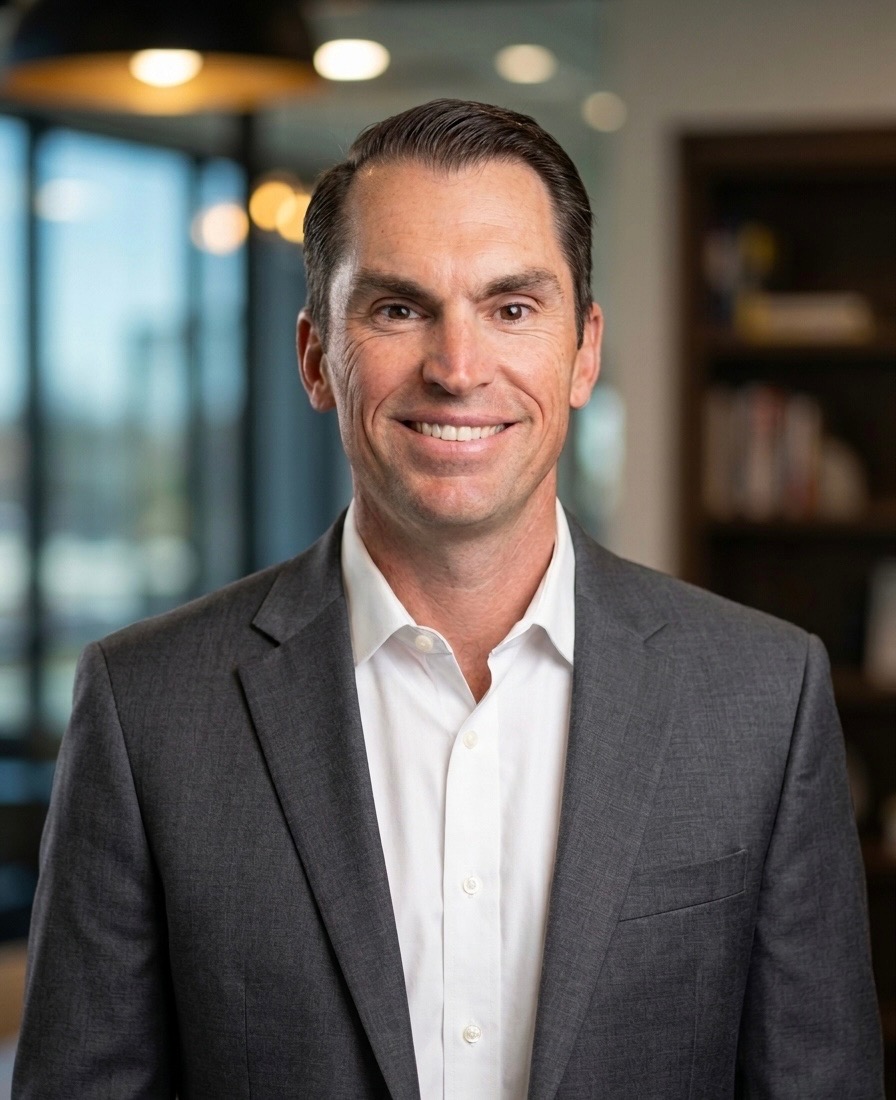
YOUR ADVISOR
Chris DeCarolis
Senior Commercial Insurance Advisor
Chris DeCarolis is a Senior Commercial Insurance Advisor at Coverage Axis. His experience in commercial risk placement started in 2007. He has helped contractors, trades, and specialty businesses build coverage programs that fit their operations — specializing in general liability, workers comp, commercial auto, and umbrella programs for high-risk industries. Chris holds a Florida 220 General Lines license (G038859) and is a graduate of Brown University.
COMMON QUESTIONS
Frequently Asked Questions
Occurrence covers events during the policy period regardless of when claims are filed; claims-made covers claims filed during the policy period for events after the retroactive date. Occurrence is generally preferred for professional services firm liability lines.
Blanket usually preferred for flexibility and to avoid coinsurance issues. Scheduled works when inventory is stable and well-documented. Premium difference is usually modest.
Generally 10-25% premium difference between the most-recommended forms and the basic-form alternatives. For most Accounting Firms, the premium difference is well worth the materially better claim-time coverage.
Annually at renewal. Form choices can be changed at renewal; locking in suboptimal forms forever is a common avoidable mistake. The broker should walk through form options each year.
A clause that makes the accounting firm's policy respond first and pay without contribution from the contracting party's own insurance. Required by most large contracts; included in standard blanket AI endorsements.
GET STARTED
Get a Free Insurance Review
Tell us about your business and a licensed advisor will recommend the right coverage.
Get My Free Review →GET STARTED
Tell Us About Your Business
Fill out the form below and a licensed advisor will review your situation and recommend the right coverage — no obligation.