
Business Interruption Exclusions for Bridge Construction Contractors
What Business Interruption does NOT cover for Bridge Construction Contractors — the standard exclusions every policy carries, the trade-specific exclusions targeted at the high-risk construction segment, the buy-back endorsements that restore key coverage, and how to avoid claim-time exclusion problems.
Get a Free Quote →QUICK ANSWER
Every Business Interruption policy on Bridge Construction Contractors carries 15-30 exclusions. Most are universal (intentional acts, war, nuclear) and don't affect operations. The exclusions that matter target high-risk construction-specific exposures: pollution, professional services, contractual liability beyond standard scope. Many of these can be restored via buy-back endorsements at additional premium.
The exclusions framework on Bridge Construction Contractors Business Interruption
Every Business Interruption policy carries exclusions — situations or claim types the carrier explicitly will not cover. Exclusions exist for three reasons: catastrophic exposure outside the carrier's appetite (war, nuclear), losses better covered by other lines (WC excludes employee injuries because those belong on the workers' comp policy), and excluded behaviors the carrier won't underwrite (intentional acts, criminal acts).
For Bridge Construction Contractors, the practical question is which exclusions matter to your operation. Generic exclusions (war, nuclear, intentional acts) rarely come into play; trade-specific exclusions for the high-risk construction segment are where claim denials actually happen.
Trade-specific Business Interruption exclusions affecting Bridge Construction Contractors
Bridge Construction Contractors Business Interruption policies typically include exclusions that reflect the specific risk profile of the high-risk construction segment. The exclusions are not arbitrary — they exist because carriers have priced (or refused to price) for the underlying exposures based on actual loss experience.
Reading the trade-specific exclusion list carefully before binding is the single best way to avoid claim-time surprises. Carriers won't hide exclusions, but they also won't volunteer them; the policy form lists them, and the bridge construction contractor (or broker) has to read the form.
How contracts and Business Interruption exclusions interact for Bridge Construction Contractors
Most Business Interruption policies exclude contractual liability — losses arising solely from contract obligations the bridge construction contractor has assumed. There is usually an exception for "insured contracts," which preserves coverage for liability assumed in standard commercial agreements (leases, sidetrack agreements, indemnity in railroad-easement contracts, etc.).
For Bridge Construction Contractors, this matters when contracts contain indemnity clauses that exceed what the policy's insured-contract exception covers. A broad indemnity in a vendor contract could create exposure the Business Interruption policy won't respond to. Reviewing contract indemnity language against policy exceptions before signing is the standard practice.
Buy-back endorsements that fill Business Interruption gaps for Bridge Construction Contractors
Bridge Construction Contractors can fill Business Interruption coverage gaps via endorsements that buy back excluded coverage. The most useful buy-backs for high-risk construction address the trade-specific exposures the standard policy excludes — pollution, watercraft, contractual liability beyond standard contracts.
The decision math: does the bridge construction contractor actually have the excluded exposure, and if so, is the buy-back cost reasonable relative to the risk? For most Bridge Construction Contractors, 1-3 buy-backs are worth purchasing; the rest of the exclusions don't materially affect the operation.
Common claim-denial scenarios on Bridge Construction Contractors Business Interruption
Bridge Construction Contractors Business Interruption claims most often face denials in three predictable scenarios: pollution-related losses denied under the total pollution exclusion, professional-services claims denied where advisory work is involved, and contractual-assumption losses denied for indemnities beyond the insured-contract exception.
The pattern: the claim itself looks covered, but a component of the loss triggers an exclusion. The carrier denies based on the triggered exclusion; the bridge construction contractor disputes the denial. Resolution often requires either negotiating coverage or pursuing the claim through bad-faith or coverage litigation.
Comparing exclusions on Bridge Construction Contractors Business Interruption between carriers
Carrier-to-carrier exclusion variation on Bridge Construction Contractors Business Interruption ranges from minor (slight wording differences) to material (entirely different exclusions or buy-backs). Standard-market carriers tend to be closer to ISO baseline; surplus carriers often have heavier exclusion lists reflecting their specialty risk appetite.
The exclusion comparison is part of the placement decision. Quotes that exclude more should price meaningfully lower, not just modestly. If two quotes are within 5% on price but one has materially more exclusions, the apparent savings probably don't justify the gap.
What to ask the broker about Business Interruption exclusions on Bridge Construction Contractors
Before binding Business Interruption, Bridge Construction Contractors should review the exclusion list with their broker. The conversation: which exclusions apply to your operation, which materially affect coverage, which can be bought back, and at what cost. A 30-minute review prevents most claim-time exclusion problems.
For high-risk construction, the review should focus on the trade-specific exclusions, not the universal ones. The intentional-acts exclusion is universal and rarely matters; the pollution and professional-services exclusions are more specific and often matter.
Get a Free Insurance Quote
50+ carriers. One advisor. One recommendation built around your business — no obligation.
Get My Free Review →DEEP-DIVE GUIDES
Detailed coverage guides
Drill deeper on the specific aspects of this coverage that matter to your business.
Cost & Pricing
Need & Requirements
Claims
How to Get Coverage
Looking for the full picture? See Business Interruption for Bridge Construction Contractors.
WHY COVERAGE AXIS
Why Coverage Axis
Insurance Carriers
Access to a broad network of A-rated carriers competing for your business — your advisor handles the rest.
COI Turnaround
Certificates and additional insured endorsements delivered the same day you need them.
Years of Experience
Our advisors specialize in commercial insurance — we understand your industry inside and out.
Cost to You
Getting a quote is always free. No hidden fees, no obligation — just straightforward coverage advice.
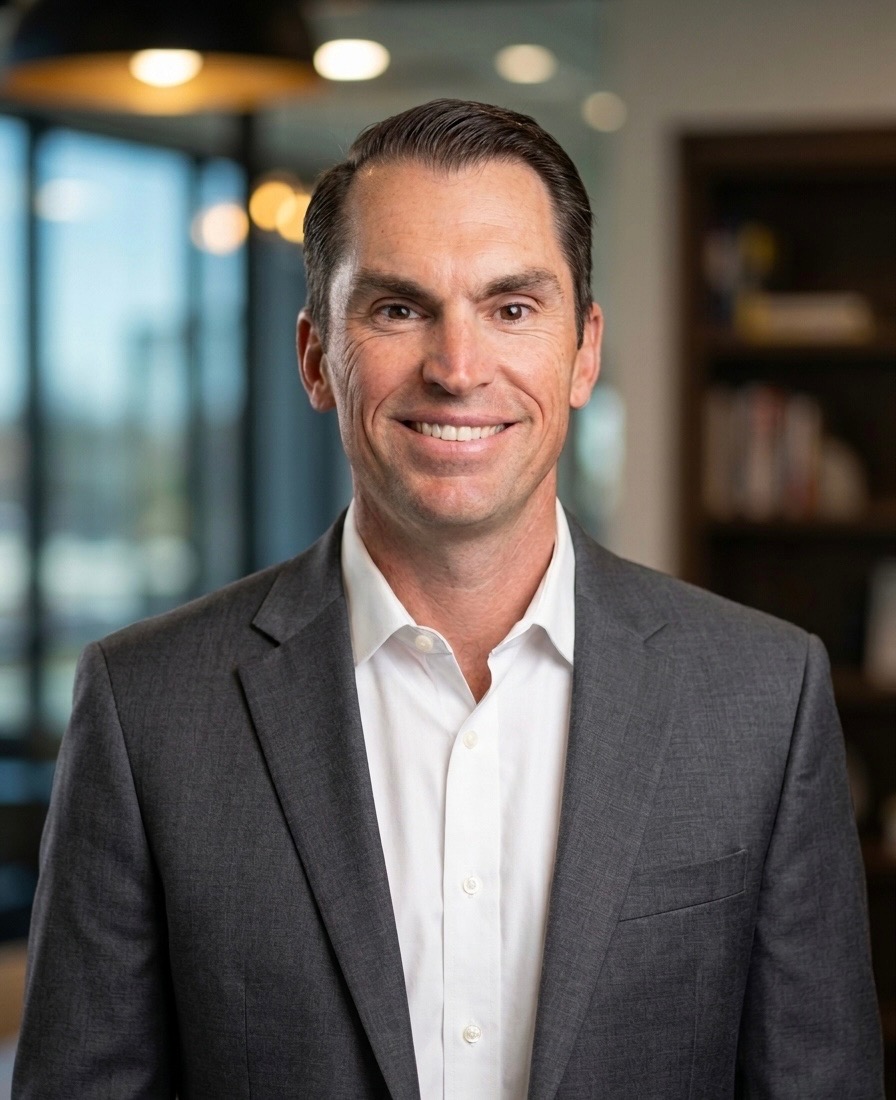
YOUR ADVISOR
Chris DeCarolis
Senior Commercial Insurance Advisor
Chris DeCarolis is a Senior Commercial Insurance Advisor at Coverage Axis. His experience in commercial risk placement started in 2007. He has helped contractors, trades, and specialty businesses build coverage programs that fit their operations — specializing in general liability, workers comp, commercial auto, and umbrella programs for high-risk industries. Chris holds a Florida 220 General Lines license (G038859) and is a graduate of Brown University.
COMMON QUESTIONS
Frequently Asked Questions
Materially, if any environmental exposure exists. Most commercial GL excludes pollution-related losses entirely. A dedicated pollution liability policy or buy-back endorsement is usually needed.
Yes, sometimes meaningfully. ISO standard forms provide baseline; each carrier adds or modifies. Cheaper quotes often have heavier exclusion lists. Comparing exclusions is part of the placement decision.
A carve-out in the contractual liability exclusion that preserves coverage for liability assumed in standard commercial agreements (leases, sidetrack agreements, indemnity in railroad-easement contracts).
Often yes. Surplus markets cover what standard markets won't, but they typically include more exclusions and stricter limits. Pricing premium reflects the residual exposure, not the broad coverage of standard placements.
Some policies exclude completed-operations losses after policy expiration; others extend coverage 2-5 years post-completion. For high-risk construction, this is critical — review the policy's completed-operations endorsement carefully.
GET STARTED
Get a Free Insurance Review
Tell us about your business and a licensed advisor will recommend the right coverage.
Get My Free Review →GET STARTED
Tell Us About Your Business
Fill out the form below and a licensed advisor will review your situation and recommend the right coverage — no obligation.