
When Contracts Require Commercial Crime for Chemical Manufacturers
What contracts actually require from Chemical Manufacturers on Commercial Crime — COI demands, AI endorsements, subro waivers, limit minimums, and the proactive policy design that satisfies most contracts on day one.
Get a Free Quote →QUICK ANSWER
Most commercial contracts demand Commercial Crime from Chemical Manufacturers through standard channels: GC onboarding, vendor approval, lender requirements, and lease clauses. Typical requirements: $1M/$2M minimum limit, additional-insured (AI) status, waiver of subrogation, and primary-and-noncontributory language. A well-structured Commercial Crime policy meets 80-90% of contract demands without per-contract negotiation.
The contract clauses that demand Commercial Crime from Chemical Manufacturers
Contract-driven Commercial Crime demand on Chemical Manufacturers reflects the contracting party's risk transfer goals. They want assurance that, if something goes wrong on the work, an insurance policy responds before they have to. The contract terms operationalize that assurance.
For manufacturer, the Commercial Crime contractual requirements are usually well-established within the segment. Standard form contracts (AIA, ConsensusDocs, NEC, AGC) include insurance clauses calibrated to typical Chemical Manufacturers risk profiles, with carve-outs for unusual situations.
The certificate-of-insurance specifics for Chemical Manufacturers Commercial Crime
Certificates of insurance for Chemical Manufacturers contracts typically need to list Commercial Crime when: the contract explicitly requires that coverage, the contracting party demands AI status under the policy, the work involves the type of exposure Commercial Crime responds to, or vendor onboarding software flags it as required.
The COI itself is a snapshot of coverage at a point in time. For Chemical Manufacturers with frequent contracting activity, COI management software keeps the snapshots fresh and the additional-insured roster up to date. Manual COI handling produces gaps and errors.
Additional-insured demands on Chemical Manufacturers Commercial Crime
Standard AI endorsements grant the AI party "blanket" coverage for liability arising from the chemical manufacturer's work. Higher-specification AI endorsements specify per-project coverage, completed-operations coverage, or primary-and-noncontributory language. Each tier costs more and provides more.
The contracting party often specifies which AI endorsement form they require by ISO form number (CG 20 10, CG 20 37, etc.). Mismatches between requested and provided endorsements are a frequent contracting friction; resolving them at COI issuance avoids problems later.
Why contracts demand subro waivers on Chemical Manufacturers Commercial Crime
Waiver of subrogation on Chemical Manufacturers Commercial Crime contracts means the chemical manufacturer's carrier waives its right to pursue the contracting party for losses the carrier paid out. The waiver protects the contracting party from being sued by the chemical manufacturer's insurer for damages the chemical manufacturer caused.
Most commercial contracts require waiver of subrogation alongside AI status. Carriers typically grant waivers via blanket endorsements at modest cost ($0-$250). Some contracts specify mutual subrogation waivers; others only waive against the contracting party.
The Commercial Crime limit benchmark for Chemical Manufacturers contracts
For Chemical Manufacturers, the limit benchmark on contract-required Commercial Crime is usually predictable for the contract type. Standard subcontracts on residential work: $1M/$2M. Commercial general contracting: $2M/$4M with umbrella to $5M. Government work: often $5M-$10M+. Each tier has different cost implications.
Coverage Axis sees most Chemical Manufacturers buy primary coverage at the entry tier ($1M/$2M) and use umbrella stacking to reach higher effective limits for contracts that require them. That structure is usually cheaper than buying higher primary limits outright.
Can Chemical Manufacturers negotiate Commercial Crime requirements out of contracts?
Chemical Manufacturers negotiating Commercial Crime requirements out of contracts have limited leverage in most cases. Large customers use form contracts and form insurance clauses; the customer's risk-management team has pre-approved language that the procurement contact can't easily modify.
What sometimes works: requesting clarification or carve-outs for specific operations that fall outside the typical scope, proposing alternative compliance paths (e.g., higher limits in exchange for narrower AI language), or escalating to the customer's risk-management team if procurement won't budge. The realistic outcome is usually small adjustments, not wholesale clause changes.
Where Chemical Manufacturers get tripped up on Commercial Crime contract requirements
The most expensive contract-compliance mistakes for Chemical Manufacturers on Commercial Crime usually happen at renewal, not at the original contract signing. The original policy may have satisfied requirements perfectly; the renewal policy may have subtle differences (form changes, endorsement gaps) that put the chemical manufacturer out of compliance retroactively.
Annual contract-vs-policy reviews catch these drift errors before they produce problems. A 30-minute review with the broker, comparing each active contract's requirements against the renewed policy, surfaces gaps while they are still fixable.
Get a Free Insurance Quote
50+ carriers. One advisor. One recommendation built around your business — no obligation.
Get My Free Review →DEEP-DIVE GUIDES
Detailed coverage guides
Drill deeper on the specific aspects of this coverage that matter to your business.
Cost & Pricing
Need & Requirements
Coverage Detail
Claims
How to Get Coverage
Looking for the full picture? See Commercial Crime for Chemical Manufacturers.
WHY COVERAGE AXIS
Why Coverage Axis
Insurance Carriers
Access to a broad network of A-rated carriers competing for your business — your advisor handles the rest.
COI Turnaround
Certificates and additional insured endorsements delivered the same day you need them.
Years of Experience
Our advisors specialize in commercial insurance — we understand your industry inside and out.
Cost to You
Getting a quote is always free. No hidden fees, no obligation — just straightforward coverage advice.
YOUR ADVISOR
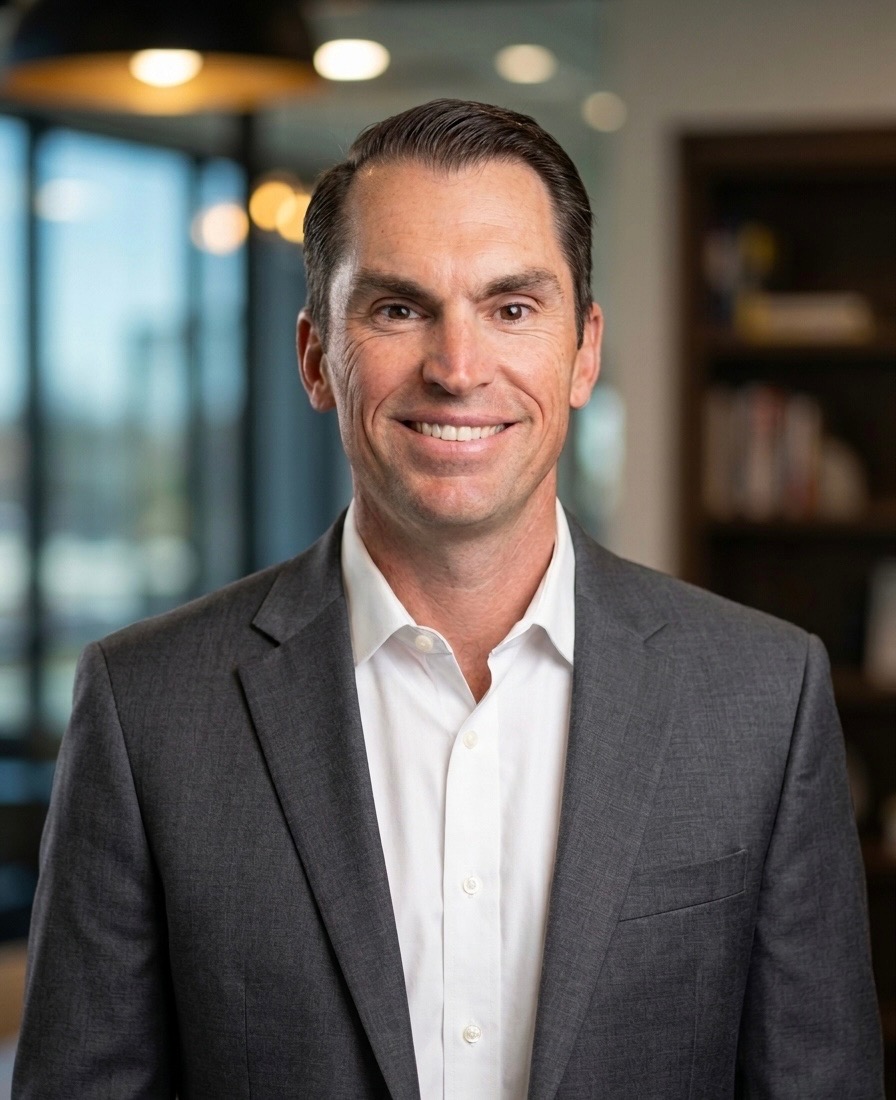
Chris DeCarolis
Senior Commercial Insurance Advisor
Chris DeCarolis is a Senior Commercial Insurance Advisor at Coverage Axis. His experience in commercial risk placement started in 2007. He has helped contractors, trades, and specialty businesses build coverage programs that fit their operations — specializing in general liability, workers comp, commercial auto, and umbrella programs for high-risk industries. Chris holds a Florida 220 General Lines license (G038859) and is a graduate of Brown University.
COMMON QUESTIONS
Frequently Asked Questions
General contractor MSAs, vendor onboarding agreements, lender requirements, and lease agreements are the four most common channels. Each specifies coverage type, limit, AI status, and waiver of subrogation.
Yes. AI status is one of the most consistent contract requirements. Carriers typically grant AI via blanket endorsements; most Chemical Manufacturers build that into the policy proactively.
$1M/$2M is the entry tier and most-common contract minimum. $2M/$4M is common for commercial work. High-limit contracts (government, large commercial) often require $5M-$25M effective via umbrella stacking.
It means the chemical manufacturer's policy responds first and pays without contribution from the contracting party's own insurance. Most large contracts require it; the language usually appears in the AI endorsement.
Two options: add the coverage via endorsement (most flexible), or negotiate the requirement out (limited leverage). For manufacturer contracts, the standard moves usually fit within typical policy structures.
GET STARTED
Get a Free Insurance Review
Tell us about your business and a licensed advisor will recommend the right coverage.
Get My Free Review →GET STARTED
Tell Us About Your Business
Fill out the form below and a licensed advisor will review your situation and recommend the right coverage — no obligation.