
Employment Practices Liability Legal Requirements for Farms & Agribusinesses
What state and federal law actually require Farms & Agribusinesses to carry on Employment Practices Liability — the mandates, the enforcement framework, exemptions, penalties, and how to maintain compliance without over-buying.
Get a Free Quote →QUICK ANSWER
The legal-mandate level for Employment Practices Liability on Farms & Agribusinesses is medium, driven by state employment laws (recommended but rarely legally required). Enforcement comes from EEOC + state labor commissions. Penalties for non-compliance: no direct insurance penalty, but uninsured exposure to wage-hour/discrimination claims. State requirements vary, and federal mandates layer on top in regulated industries.
How Employment Practices Liability legal requirements vary by state for Farms & Agribusinesses
State-level Employment Practices Liability requirements for Farms & Agribusinesses cluster into three tiers:
- Strict-mandate states: explicit statutory requirement, criminal/civil penalties for non-compliance, formal filing requirements
- Conditional-mandate states: requirement applies only to certain operations or contract types
- Permissive states: no statutory requirement, coverage driven by contracts and risk management
Knowing which tier each operating state falls into prevents both over-compliance (paying for filings not actually required) and under-compliance (operating without legally required coverage).
Where federal law touches Farms & Agribusinesses Employment Practices Liability
For Farms & Agribusinesses, federal Employment Practices Liability requirements come from agency rules rather than direct statutes. The agencies with jurisdiction over manufacturer operations set the operational rules; insurance requirements are usually a subset of those broader rules.
Compliance failure with federal requirements typically produces fines or permit/license consequences from the agency, not direct civil liability. But the agency-level consequences can be operationally crippling — a suspended operating authority is more disruptive than a fine.
When Employment Practices Liability is part of getting (and keeping) a license
Employment Practices Liability requirements tied to Farms & Agribusinesses licensing are enforced through the license, not through direct regulatory action. The licensing board doesn't fine you for being uninsured; they revoke the license, and the revocation prevents you from operating.
This is why coverage continuity matters more than coverage size for licensed Farms & Agribusinesses. A small policy with continuous coverage is better than a large policy with gaps, from a license-status perspective.
Penalties for Farms & Agribusinesses operating without Employment Practices Liability
The penalty profile for Farms & Agribusinesses operating without legally required Employment Practices Liability is no direct insurance penalty, but uninsured exposure to wage-hour/discrimination claims. Penalties are administered by EEOC + state labor commissions, typically through state-level enforcement mechanisms.
Beyond the direct penalty, the indirect costs are usually worse: contracts cancelled for non-compliance, operating authorities suspended, vendor relationships terminated. For manufacturer operations, the indirect costs typically exceed the direct penalties by 5-10x.
Evidence of Employment Practices Liability coverage for Farms & Agribusinesses regulators
Farms & Agribusinesses maintaining Employment Practices Liability compliance build a paper trail: the policy itself, the COI for any party that requires proof, and any state-mandated filings. The COI is the most visible piece — it travels with the farms & agribusinesse to every contracting relationship and licensing renewal.
Modern COI management uses software tools that store and re-issue certificates automatically. For Farms & Agribusinesses with frequent contracting activity, this is much cleaner than manual COI handling.
What's new in Employment Practices Liability regulation for Farms & Agribusinesses
Recent regulatory changes affecting Farms & Agribusinesses Employment Practices Liability have moved in two directions: some states have tightened requirements (expanded mandate, lower exemption thresholds), while others have eased compliance burdens for small operators. The 2025-2026 cycle has seen particularly active legislation in manufacturer-adjacent areas.
The most important question for any individual farms & agribusinesse is whether their operating states have changed requirements since they last reviewed. If the last review was more than 24 months ago, a re-check is overdue.
When Farms & Agribusinesses should get legal advice on Employment Practices Liability
The broker-vs-lawyer question on Farms & Agribusinesses Employment Practices Liability compliance comes down to complexity. Routine questions ("am I required to carry this in Texas?") are broker-level; complex questions ("how do I structure compliance for a multi-state operation with mixed W-2 and 1099 workforce?") usually need legal counsel.
The cost of legal counsel scales with the complexity. For most Farms & Agribusinesses, an annual review with an attorney specializing in commercial insurance compliance — perhaps 2-4 hours of time — is enough to handle the genuinely complex questions while leaving routine work to the broker.
Get a Free Insurance Quote
50+ carriers. One advisor. One recommendation built around your business — no obligation.
Get My Free Review →DEEP-DIVE GUIDES
Detailed coverage guides
Drill deeper on the specific aspects of this coverage that matter to your business.
Cost & Pricing
Need & Requirements
Coverage Detail
Claims
How to Get Coverage
Looking for the full picture? See Employment Practices Liability for Farms & Agribusinesses.
WHY COVERAGE AXIS
Why Coverage Axis
Insurance Carriers
Access to a broad network of A-rated carriers competing for your business — your advisor handles the rest.
COI Turnaround
Certificates and additional insured endorsements delivered the same day you need them.
Years of Experience
Our advisors specialize in commercial insurance — we understand your industry inside and out.
Cost to You
Getting a quote is always free. No hidden fees, no obligation — just straightforward coverage advice.
YOUR ADVISOR
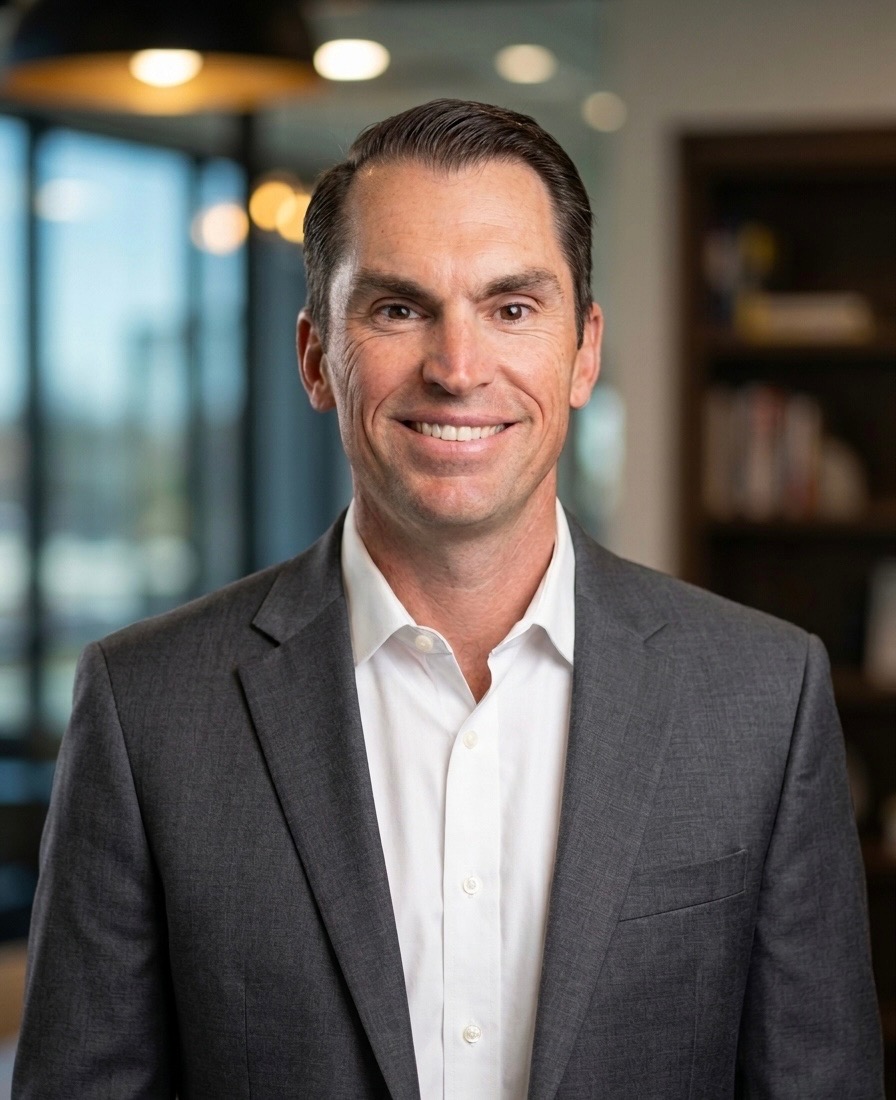
Chris DeCarolis
Senior Commercial Insurance Advisor
Chris DeCarolis is a Senior Commercial Insurance Advisor at Coverage Axis. His experience in commercial risk placement started in 2007. He has helped contractors, trades, and specialty businesses build coverage programs that fit their operations — specializing in general liability, workers comp, commercial auto, and umbrella programs for high-risk industries. Chris holds a Florida 220 General Lines license (G038859) and is a graduate of Brown University.
COMMON QUESTIONS
Frequently Asked Questions
Penalties: no direct insurance penalty, but uninsured exposure to wage-hour/discrimination claims. Enforced by EEOC + state labor commissions. Indirect consequences (contract cancellations, license actions, civil liability) typically exceed the direct fines.
Federal requirements are agency-specific. For most Farms & Agribusinesses, federal mandates affect specific operations (interstate transit, federally regulated industries) rather than the entire business.
A current certificate of insurance (COI) is the standard proof. Some states or licensing boards require state-specific filings on top. Keep a COI library that mirrors your active operating states.
Buy coverage that meets the strictest state's requirements, then verify compliance state-by-state. Multi-state operation requires structured compliance tracking, not ad-hoc.
In some states, yes — qualified self-insurance plans can satisfy WC requirements, for instance. Other coverages have no self-insurance path. State-specific rules apply; consult a specialty broker or attorney.
GET STARTED
Get a Free Insurance Review
Tell us about your business and a licensed advisor will recommend the right coverage.
Get My Free Review →GET STARTED
Tell Us About Your Business
Fill out the form below and a licensed advisor will review your situation and recommend the right coverage — no obligation.