
Group Health Eligibility for High-Risk Fintech Startups
How Fintech Startups get Group Health when claim history, new-venture status, or operational profile closes standard-market doors — specialty markets, surplus lines, Lloyd's syndicates, captive structures, and the path back to standard pricing.
Get a Free Quote →QUICK ANSWER
Yes, Fintech Startups with claim history, new ventures, or operational concerns can get Group Health — typically through specialty rather than standard markets. Premium runs 1.5-3x standard rates with longer placement timelines (7-14 days). Return to standard markets typically takes 2-4 renewal cycles as claims roll out of the experience-mod window and operational improvements compound.
Getting Group Health as a brand-new fintech startup
For new Fintech Startups, Group Health eligibility depends more on the principals than on the entity. Carriers ask: who is running this business? What's their prior experience? What's the business plan? Do the principals have access to capital? Answers shape the underwriting decision more than the new entity's zero loss-run history.
Strategies that help new Fintech Startups get standard-market quotes: hire a broker who specializes in new ventures, document the principals' experience thoroughly, build the business plan to specifications carriers ask about, and start the application process 60-90 days before operations begin.
Surplus lines explained for Fintech Startups on Group Health
Surplus lines (also called Excess & Surplus, or E&S) markets write Group Health for risks standard carriers decline. The market exists specifically to fill the gap left by standard appetite. Carriers in this market have more underwriting flexibility, can charge actuarially required rates, and can include broader exclusion lists.
For Fintech Startups, accessing surplus markets requires a broker with E&S appointments. Not all brokers can place E&S business; the placement requires specific licensing and carrier relationships. Coverage Axis maintains active E&S relationships across all major specialty markets.
How specialty programs serve high-risk Fintech Startups
For Fintech Startups with unusual exposures or specific operational profiles, specialty programs often outperform generalist placements. The program underwriters know the segment, have priced it accurately, and can offer broader coverage tailored to the segment's needs.
Specialty programs also tend to be stable through hard markets. When generalist carriers pull back during hardening cycles, specialty programs often continue writing the segment at reasonable rates. The program's commitment to the niche cushions the cycle effects.
The high-risk pricing premium on Fintech Startups Group Health
High-risk Fintech Startups typically pay 1.5-3x standard pricing for Group Health, depending on the specific risk factors. Mild substandard accounts (one claim, otherwise clean) might pay 1.2-1.5x standard; severe substandard accounts (multiple claims or severity events) can pay 2.5-4x standard or face declines from all but the highest-risk markets.
The premium load isn't arbitrary — it reflects the carrier's real loss expectations on the account. Paying 2x standard for a 2x expected loss profile is fair pricing for the risk; trying to pay 1x standard for a 2x risk usually means going uninsured.
How Fintech Startups return to standard markets on Group Health
The transition back to standard markets isn't automatic — it requires deliberate timing. Re-shopping standard markets too early produces declines that anchor the broker's perception of the account; re-shopping too late wastes time in unnecessarily expensive specialty markets.
The broker's judgment on timing matters. Brokers who know the emerging-industry market can predict when standard appetite is likely to accept a returning account. Coordinated re-shopping at the right moment produces the cleanest transition.
Where Fintech Startups go when domestic specialty markets aren't enough
For Fintech Startups that can't place in domestic specialty markets, alternatives include Lloyd's of London syndicates, Bermuda markets, captive structures, and self-insurance programs. Each requires specific broker expertise and additional placement complexity.
Lloyd's markets are commonly used for unusual exposures, high limits, or specialty operations. Bermuda markets typically appear in larger placements ($25M+ premium). Captives work for stable, claim-managed operations with adequate financial capacity. Self-insurance is appropriate for very large Fintech Startups with sophisticated risk management.
Operating efficiently in substandard Group Health markets
Fintech Startups that thrive in substandard markets treat the placement as temporary. The goal isn't to optimize the substandard relationship; it's to manage operations so well that standard markets become accessible again as soon as possible.
The discipline that produces return: detailed operational documentation, thorough claim management, financial strength building, and patient re-shopping at the right moments. Fintech Startups that follow this approach typically return to standard markets in 2-3 renewal cycles; Fintech Startups that don't can spend many years in expensive substandard placements.
Get a Free Insurance Quote
50+ carriers. One advisor. One recommendation built around your business — no obligation.
Get My Free Review →DEEP-DIVE GUIDES
Detailed coverage guides
Drill deeper on the specific aspects of this coverage that matter to your business.
Cost & Pricing
Need & Requirements
Coverage Detail
Claims
How to Get Coverage
Looking for the full picture? See Group Health for Fintech Startups.
WHY COVERAGE AXIS
Why Coverage Axis
Insurance Carriers
Access to a broad network of A-rated carriers competing for your business — your advisor handles the rest.
COI Turnaround
Certificates and additional insured endorsements delivered the same day you need them.
Years of Experience
Our advisors specialize in commercial insurance — we understand your industry inside and out.
Cost to You
Getting a quote is always free. No hidden fees, no obligation — just straightforward coverage advice.
YOUR ADVISOR
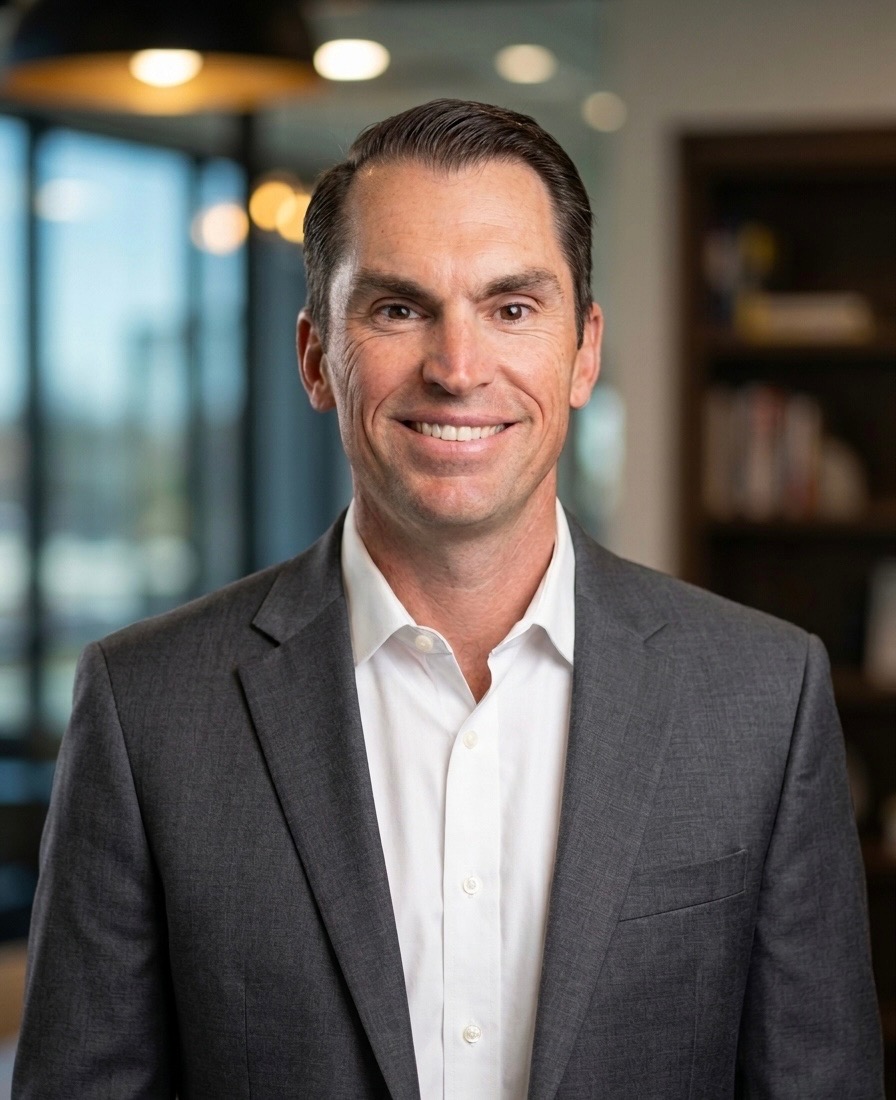
Chris DeCarolis
Senior Commercial Insurance Advisor
Chris DeCarolis is a Senior Commercial Insurance Advisor at Coverage Axis. His experience in commercial risk placement started in 2007. He has helped contractors, trades, and specialty businesses build coverage programs that fit their operations — specializing in general liability, workers comp, commercial auto, and umbrella programs for high-risk industries. Chris holds a Florida 220 General Lines license (G038859) and is a graduate of Brown University.
COMMON QUESTIONS
Frequently Asked Questions
Excess & Surplus markets write risks standard carriers decline. Fintech Startups need it when claims history, severity events, unusual operations, or other factors close standard-market doors. Premium runs 1.5-3x standard.
Lloyd's syndicates write specialty Group Health for Fintech Startups that don't fit domestic specialty markets — unusual exposures, high limits, or specific operational profiles. Accessed via U.S. wholesale brokers.
For operations with $200K+ in total commercial premium and stable claim management, yes. Captives allow the fintech startup to retain risk that markets can't (or won't) write competitively. Setup complexity and capital requirements apply.
Often yes. E&S carriers have flexibility on policy forms; the trade-off for coverage availability is sometimes broader exclusion lists. Review policy forms carefully before binding.
Admitted = state-approved carrier; rates filed and approved; state guarantee fund applies. Non-admitted = E&S/surplus; rates not filed; more flexibility; state guarantee fund typically doesn't apply. Both can be legitimate; non-admitted requires more carrier-financial-strength due diligence.
GET STARTED
Get a Free Insurance Review
Tell us about your business and a licensed advisor will recommend the right coverage.
Get My Free Review →GET STARTED
Tell Us About Your Business
Fill out the form below and a licensed advisor will review your situation and recommend the right coverage — no obligation.