
Hired & Non-Owned Auto Eligibility for High-Risk Franchise Businesses
How Franchise Businesses get Hired & Non-Owned Auto when claim history, new-venture status, or operational profile closes standard-market doors — specialty markets, surplus lines, Lloyd's syndicates, captive structures, and the path back to standard pricing.
Get a Free Quote →QUICK ANSWER
Yes, Franchise Businesses with claim history, new ventures, or operational concerns can get Hired & Non-Owned Auto — typically through specialty rather than standard markets. Premium runs 1.5-3x standard rates with longer placement timelines (7-14 days). Return to standard markets typically takes 2-4 renewal cycles as claims roll out of the experience-mod window and operational improvements compound.
First-year Hired & Non-Owned Auto eligibility for Franchise Businesses
New Franchise Businesses ventures qualify for Hired & Non-Owned Auto coverage through programs designed for the segment. Standard carriers will often write new ventures with experienced principals (showing prior loss runs from prior employment), strong business plans, adequate capital, and conservative initial operations. Specialty markets fill the gap for ventures that don't meet standard criteria.
The first-year premium for new Franchise Businesses typically runs 25-40% above what an established peer would pay. The "new venture penalty" reflects the lack of three years of loss-run history — carriers default to class average, which includes the worst operators.
The E&S market for Franchise Businesses Hired & Non-Owned Auto
The E&S market for Franchise Businesses Hired & Non-Owned Auto functions differently than the standard admitted market. Key differences: rates are not filed with state regulators (so they can flex to fit the risk), policy forms are not standardized (so coverage varies meaningfully between carriers), and state guarantee funds typically don't apply (so carrier financial strength matters more).
For most Franchise Businesses placed in E&S markets, the practical implications are: longer placement timeline (7-14 days), higher premium (1.5-3x standard equivalent), and more careful coverage review at binding. The trade-off is access to coverage that wouldn't otherwise be available.
How much more do high-risk Franchise Businesses pay for Hired & Non-Owned Auto?
High-risk Franchise Businesses typically pay 1.5-3x standard pricing for Hired & Non-Owned Auto, depending on the specific risk factors. Mild substandard accounts (one claim, otherwise clean) might pay 1.2-1.5x standard; severe substandard accounts (multiple claims or severity events) can pay 2.5-4x standard or face declines from all but the highest-risk markets.
The premium load isn't arbitrary — it reflects the carrier's real loss expectations on the account. Paying 2x standard for a 2x expected loss profile is fair pricing for the risk; trying to pay 1x standard for a 2x risk usually means going uninsured.
Getting out of substandard placement on Franchise Businesses Hired & Non-Owned Auto
The transition back to standard markets isn't automatic — it requires deliberate timing. Re-shopping standard markets too early produces declines that anchor the broker's perception of the account; re-shopping too late wastes time in unnecessarily expensive specialty markets.
The broker's judgment on timing matters. Brokers who know the retail or hospitality market can predict when standard appetite is likely to accept a returning account. Coordinated re-shopping at the right moment produces the cleanest transition.
Alternative Hired & Non-Owned Auto markets for Franchise Businesses
For Franchise Businesses that can't place in domestic specialty markets, alternatives include Lloyd's of London syndicates, Bermuda markets, captive structures, and self-insurance programs. Each requires specific broker expertise and additional placement complexity.
Lloyd's markets are commonly used for unusual exposures, high limits, or specialty operations. Bermuda markets typically appear in larger placements ($25M+ premium). Captives work for stable, claim-managed operations with adequate financial capacity. Self-insurance is appropriate for very large Franchise Businesses with sophisticated risk management.
What if every carrier declines Franchise Businesses on Hired & Non-Owned Auto?
For Franchise Businesses that have exhausted standard and specialty markets, the alternative is usually structural change: changing the operation to reduce the exposure, accepting much higher pricing and tighter coverage in residual markets, or self-insuring the relevant exposure entirely.
Each option has tradeoffs. Operational change is often the cleanest long-term answer but disruptive in the short term. Residual market placement keeps operations going but at high cost. Self-insurance requires capital and risk-management sophistication. The right answer depends on the specific operation.
Best practices for high-risk Franchise Businesses on Hired & Non-Owned Auto
For Franchise Businesses in substandard Hired & Non-Owned Auto placements, operational excellence in claim management is the highest-leverage strategy. Specifics: prompt claim reporting (no late-notice issues), thorough documentation (helps adjusters defend claims), active settlement participation (resolving questionable claims quickly), and ongoing safety/operational improvements that reduce future exposure.
These practices accelerate return to standard markets. Each clean year, each properly managed claim, each documented operational improvement adds to the franchise businesse's credit history. By renewal 3 or 4, the cumulative improvements typically support return to standard pricing.
Get a Free Insurance Quote
50+ carriers. One advisor. One recommendation built around your business — no obligation.
Get My Free Review →DEEP-DIVE GUIDES
Detailed coverage guides
Drill deeper on the specific aspects of this coverage that matter to your business.
Cost & Pricing
Need & Requirements
Coverage Detail
Claims
How to Get Coverage
Looking for the full picture? See Hired & Non-Owned Auto for Franchise Businesses.
WHY COVERAGE AXIS
Why Coverage Axis
Insurance Carriers
Access to a broad network of A-rated carriers competing for your business — your advisor handles the rest.
COI Turnaround
Certificates and additional insured endorsements delivered the same day you need them.
Years of Experience
Our advisors specialize in commercial insurance — we understand your industry inside and out.
Cost to You
Getting a quote is always free. No hidden fees, no obligation — just straightforward coverage advice.
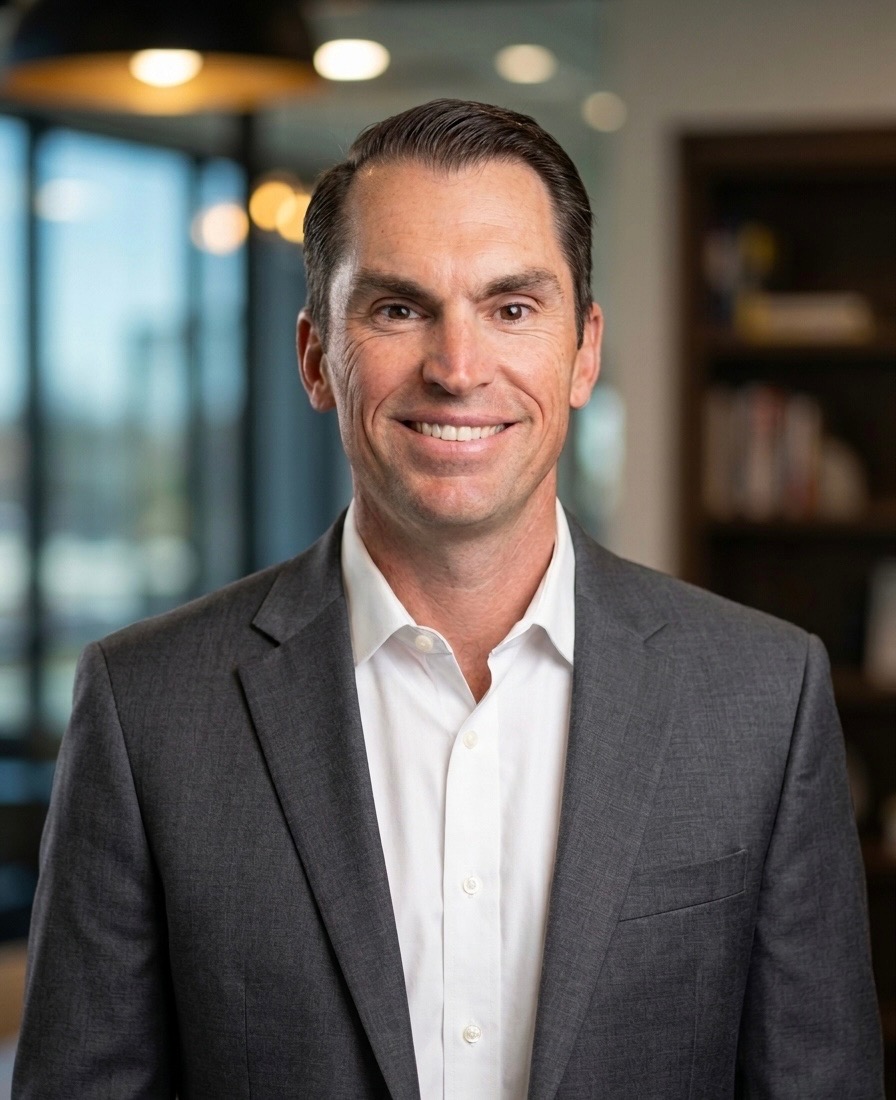
YOUR ADVISOR
Chris DeCarolis
Senior Commercial Insurance Advisor
Chris DeCarolis is a Senior Commercial Insurance Advisor at Coverage Axis. His experience in commercial risk placement started in 2007. He has helped contractors, trades, and specialty businesses build coverage programs that fit their operations — specializing in general liability, workers comp, commercial auto, and umbrella programs for high-risk industries. Chris holds a Florida 220 General Lines license (G038859) and is a graduate of Brown University.
COMMON QUESTIONS
Frequently Asked Questions
Yes, but through specialty markets at 1.5-3x standard pricing. Standard markets typically decline accounts with 2+ paid claims in 3 years or severity events ($100K+ paid).
For WC, state assigned-risk pools provide last-resort coverage. For other lines: residual markets, captive/self-insurance structures, Lloyd's syndicates, or operational changes to eliminate the exposure. Some option always exists.
For operations with $200K+ in total commercial premium and stable claim management, yes. Captives allow the franchise businesse to retain risk that markets can't (or won't) write competitively. Setup complexity and capital requirements apply.
Often yes. E&S carriers have flexibility on policy forms; the trade-off for coverage availability is sometimes broader exclusion lists. Review policy forms carefully before binding.
Admitted = state-approved carrier; rates filed and approved; state guarantee fund applies. Non-admitted = E&S/surplus; rates not filed; more flexibility; state guarantee fund typically doesn't apply. Both can be legitimate; non-admitted requires more carrier-financial-strength due diligence.
GET STARTED
Get a Free Insurance Review
Tell us about your business and a licensed advisor will recommend the right coverage.
Get My Free Review →GET STARTED
Tell Us About Your Business
Fill out the form below and a licensed advisor will review your situation and recommend the right coverage — no obligation.