
Group Dental Exclusions for Hotels
What Group Dental does NOT cover for Hotels — the standard exclusions every policy carries, the trade-specific exclusions targeted at the retail or hospitality segment, the buy-back endorsements that restore key coverage, and how to avoid claim-time exclusion problems.
Get a Free Quote →QUICK ANSWER
Every Group Dental policy on Hotels carries 15-30 exclusions. Most are universal (intentional acts, war, nuclear) and don't affect operations. The exclusions that matter target retail or hospitality-specific exposures: pollution, professional services, contractual liability beyond standard scope. Many of these can be restored via buy-back endorsements at additional premium.
Why every Group Dental policy has exclusions for Hotels
Group Dental exclusions on Hotels policies fall into two layers: standard form exclusions that appear in nearly every policy (intentional acts, contractual liability, professional services, etc.), and trade-specific exclusions that target the premises-and-product-driven loss patterns common to retail or hospitality.
The standard exclusions are mostly invisible — they exclude situations most Hotels would never claim on. The trade-specific exclusions are the ones that actually cause friction at claim time, because they exclude losses that look at first glance like they should be covered.
Professional-services exclusions on Hotels Group Dental
The professional services exclusion on Group Dental excludes losses arising from professional advice or services — design, consulting, supervision, expert recommendations. For Hotels who provide any advisory component alongside their main operations, this exclusion can deny coverage on claims that have a professional component.
The fix: a dedicated professional liability (E&O) policy. Some carriers offer combined GL + professional liability programs that close the gap; others require separate placements.
When contract liability falls outside Hotels Group Dental
Hotels signing commercial contracts often agree to indemnify counterparties for losses caused by the hotel's operations. If the indemnity is broader than the Group Dental policy's insured-contract exception, the hotel has accepted liability the policy may not cover.
The cleanest path is: review indemnity language, confirm the policy responds to the assumed obligations, and seek endorsements or alternative coverage for any gap. The cost of doing this at contract signing is small; the cost of discovering the gap at claim time can be enormous.
Intentional acts: the absolute Group Dental exclusion for Hotels
Every Group Dental policy excludes intentional acts — losses arising from acts the insured intended or expected to cause harm. The exclusion is universal and exists because insurance is for accidents, not for deliberately caused losses.
For Hotels, the practical question is whether a claim that looks intentional has a non-intentional element. Carriers occasionally use the intentional-acts exclusion to deny claims that involve some intentional act with unintended consequences. Negotiating around denial usually requires careful documentation of the unintended-loss element.
How Hotels restore excluded coverage on Group Dental
Hotels can fill Group Dental coverage gaps via endorsements that buy back excluded coverage. The most useful buy-backs for retail or hospitality address the trade-specific exposures the standard policy excludes — pollution, watercraft, contractual liability beyond standard contracts.
The decision math: does the hotel actually have the excluded exposure, and if so, is the buy-back cost reasonable relative to the risk? For most Hotels, 1-3 buy-backs are worth purchasing; the rest of the exclusions don't materially affect the operation.
Why two carriers exclude differently on Hotels Group Dental
Group Dental exclusion lists vary between carriers, sometimes meaningfully. ISO standard forms provide a common baseline, but each carrier adds its own exclusions and may modify the standard ones. For Hotels, this means the cheapest quote may be cheapest because it excludes more.
Comparing policies across carriers requires looking at both price and the exclusion list together. A 10% premium savings that comes with an additional exclusion the hotel actually needs is a bad trade. Coverage Axis routinely produces side-by-side exclusion comparisons during placement.
How Hotels should review Group Dental exclusions before binding
Hotels who buy Group Dental without reading the exclusion list are taking on hidden exposure. The exclusions are not obscure — they are in the policy form — but they require deliberate review to surface. The broker's job is to walk through them; the hotel's job is to engage with the review.
Set aside 30 minutes per renewal for the exclusion review. Most reviews flag 1-3 exclusions worth discussing; most discussions lead to either acceptance, buy-back, or shopping to a different carrier with different exclusions. All three outcomes are better than discovering the exclusion at claim time.
Get a Free Insurance Quote
50+ carriers. One advisor. One recommendation built around your business — no obligation.
Get My Free Review →DEEP-DIVE GUIDES
Detailed coverage guides
Drill deeper on the specific aspects of this coverage that matter to your business.
Cost & Pricing
Need & Requirements
Coverage Detail
Claims
How to Get Coverage
Looking for the full picture? See Group Dental for Hotels.
WHY COVERAGE AXIS
Why Coverage Axis
Insurance Carriers
Access to a broad network of A-rated carriers competing for your business — your advisor handles the rest.
COI Turnaround
Certificates and additional insured endorsements delivered the same day you need them.
Years of Experience
Our advisors specialize in commercial insurance — we understand your industry inside and out.
Cost to You
Getting a quote is always free. No hidden fees, no obligation — just straightforward coverage advice.
YOUR ADVISOR
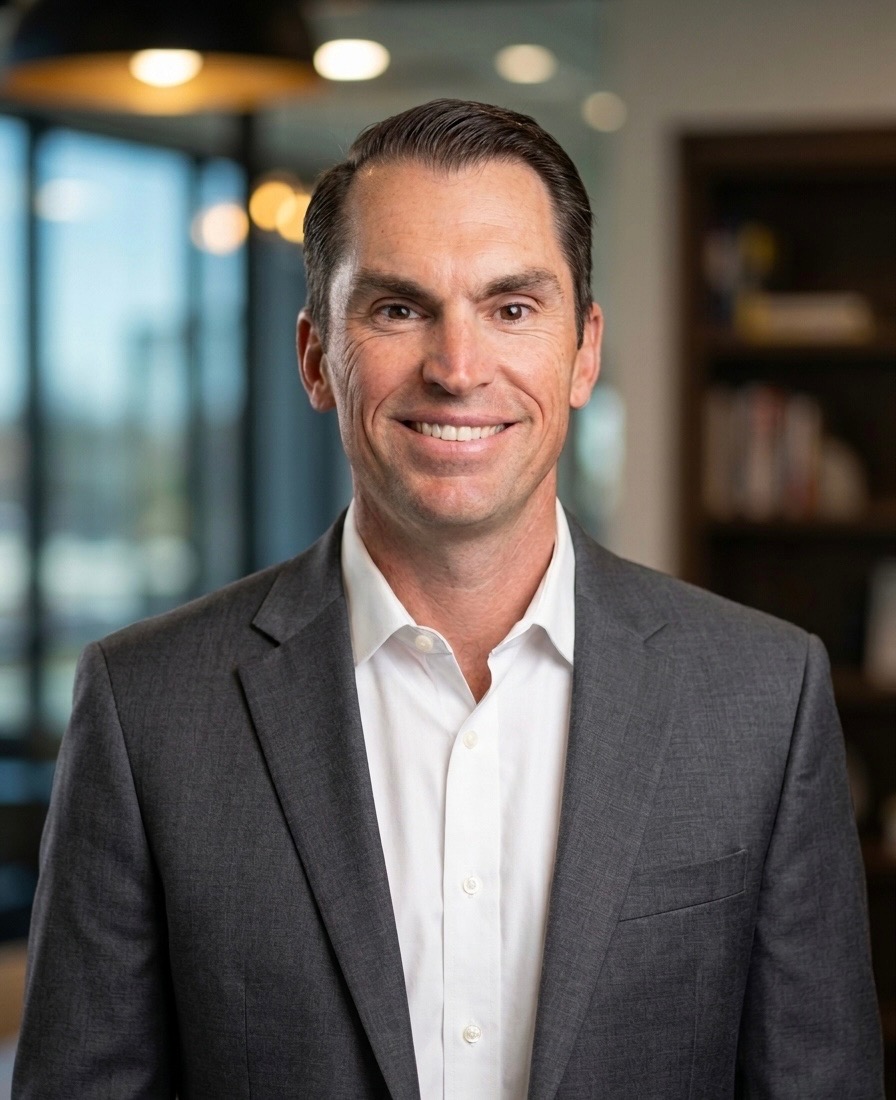
Chris DeCarolis
Senior Commercial Insurance Advisor
Chris DeCarolis is a Senior Commercial Insurance Advisor at Coverage Axis. His experience in commercial risk placement started in 2007. He has helped contractors, trades, and specialty businesses build coverage programs that fit their operations — specializing in general liability, workers comp, commercial auto, and umbrella programs for high-risk industries. Chris holds a Florida 220 General Lines license (G038859) and is a graduate of Brown University.
COMMON QUESTIONS
Frequently Asked Questions
Universal exclusions: intentional acts, war, nuclear, contractual liability beyond insured-contract exception. Trade-specific exclusions for retail or hospitality: pollution, professional services, some operational categories. The exact list varies by carrier.
Some, via buy-back endorsements at additional premium. Common buy-backs: pollution, care/custody/control, contractual liability extensions. Others (intentional acts, war, nuclear) are universal and cannot be bought back.
Set aside 30 minutes with the broker. Walk through the exclusion list, identify which exclusions affect your operation, evaluate buy-back endorsements, and confirm the policy responds to your major exposures.
Often yes. Surplus markets cover what standard markets won't, but they typically include more exclusions and stricter limits. Pricing premium reflects the residual exposure, not the broad coverage of standard placements.
Some policies exclude completed-operations losses after policy expiration; others extend coverage 2-5 years post-completion. For retail or hospitality, this is critical — review the policy's completed-operations endorsement carefully.
GET STARTED
Get a Free Insurance Review
Tell us about your business and a licensed advisor will recommend the right coverage.
Get My Free Review →GET STARTED
Tell Us About Your Business
Fill out the form below and a licensed advisor will review your situation and recommend the right coverage — no obligation.