
When Contracts Require Product Liability for Private Investigators
What contracts actually require from Private Investigators on Product Liability — COI demands, AI endorsements, subro waivers, limit minimums, and the proactive policy design that satisfies most contracts on day one.
Get a Free Quote →QUICK ANSWER
Most commercial contracts demand Product Liability from Private Investigators through standard channels: GC onboarding, vendor approval, lender requirements, and lease clauses. Typical requirements: $1M/$2M minimum limit, additional-insured (AI) status, waiver of subrogation, and primary-and-noncontributory language. A well-structured Product Liability policy meets 80-90% of contract demands without per-contract negotiation.
The contract clauses that demand Product Liability from Private Investigators
Contract-driven Product Liability demand on Private Investigators reflects the contracting party's risk transfer goals. They want assurance that, if something goes wrong on the work, an insurance policy responds before they have to. The contract terms operationalize that assurance.
For workforce provider, the Product Liability contractual requirements are usually well-established within the segment. Standard form contracts (AIA, ConsensusDocs, NEC, AGC) include insurance clauses calibrated to typical Private Investigators risk profiles, with carve-outs for unusual situations.
The certificate-of-insurance specifics for Private Investigators Product Liability
COIs trigger several downstream effects on Private Investigators Product Liability: AI endorsements may be needed to grant the requested status, waiver-of-subrogation endorsements may be required by certain contract types, and the carrier may charge for the endorsements (typically modest — $50-$250 per endorsement).
The contracting party rarely audits the underlying policy; they trust the COI. That trust is misplaced if the COI overstates coverage — but that's the contracting party's problem to police, not the private investigator's problem to solve.
Additional-insured demands on Private Investigators Product Liability
Additional-insured (AI) status under a private investigator's Product Liability policy means the contracting party gets coverage under the private investigator's policy as if they were a named insured. The mechanism is an endorsement to the policy listing the AI party and the scope of their coverage.
For workforce provider contracts, AI requirements are common and important. Without AI status, the contracting party would have to rely on their own insurance for losses caused by the private investigator; with AI status, the private investigator's policy responds first. Most Private Investigators build a standing AI endorsement into their Product Liability policy to handle routine grants.
What limits do Private Investigators contracts ask for on Product Liability?
For Private Investigators, the limit benchmark on contract-required Product Liability is usually predictable for the contract type. Standard subcontracts on residential work: $1M/$2M. Commercial general contracting: $2M/$4M with umbrella to $5M. Government work: often $5M-$10M+. Each tier has different cost implications.
Coverage Axis sees most Private Investigators buy primary coverage at the entry tier ($1M/$2M) and use umbrella stacking to reach higher effective limits for contracts that require them. That structure is usually cheaper than buying higher primary limits outright.
Getting through vendor-management software with the right Product Liability
Vendor-management platforms (Avetta, ISNetworld, etc.) are the practical gatekeeper for Private Investigators working with large customers. The platform verifies Product Liability coverage automatically against the customer's requirements; non-compliance flags block the private investigator from being approved or scheduled.
The friction: customer-specific requirements may differ from what the private investigator's policy provides. Resolving the mismatch requires either policy endorsements or, occasionally, an exception negotiated with the customer. Vendor-management software rarely has a "talk to a human" path, so the resolution route runs through the policy.
MSA insurance clauses that affect Private Investigators Product Liability
The MSA insurance clause is where Private Investigators Product Liability requirements get codified. Reading it carefully before signing is essential — a clause requiring obscure or expensive coverage can materially affect the work's profitability.
The standard moves on MSA insurance clauses: confirm AI and waiver language, verify limit minimums, check policy-form requirements (occurrence vs claims-made, primary vs excess), and confirm notice-of-cancellation requirements (often 30-day, sometimes more).
Where Private Investigators get tripped up on Product Liability contract requirements
Common compliance traps for Private Investigators on Product Liability contracts: providing a COI that overstates coverage, missing a specific endorsement form the contract requires, allowing AI status to lapse at renewal, or failing to extend completed-operations coverage past the work's completion.
The completed-operations trap is especially common in workforce provider. Many contracts require Product Liability coverage to remain in force for 2-5 years after work completion; standard policy renewals don't automatically extend that coverage. Without a deliberate plan, the private investigator can be out of compliance years after the work is done.
Get a Free Insurance Quote
50+ carriers. One advisor. One recommendation built around your business — no obligation.
Get My Free Review →DEEP-DIVE GUIDES
Detailed coverage guides
Drill deeper on the specific aspects of this coverage that matter to your business.
Cost & Pricing
Need & Requirements
Coverage Detail
Claims
How to Get Coverage
Looking for the full picture? See Product Liability for Private Investigators.
WHY COVERAGE AXIS
Why Coverage Axis
Insurance Carriers
Access to a broad network of A-rated carriers competing for your business — your advisor handles the rest.
COI Turnaround
Certificates and additional insured endorsements delivered the same day you need them.
Years of Experience
Our advisors specialize in commercial insurance — we understand your industry inside and out.
Cost to You
Getting a quote is always free. No hidden fees, no obligation — just straightforward coverage advice.
YOUR ADVISOR
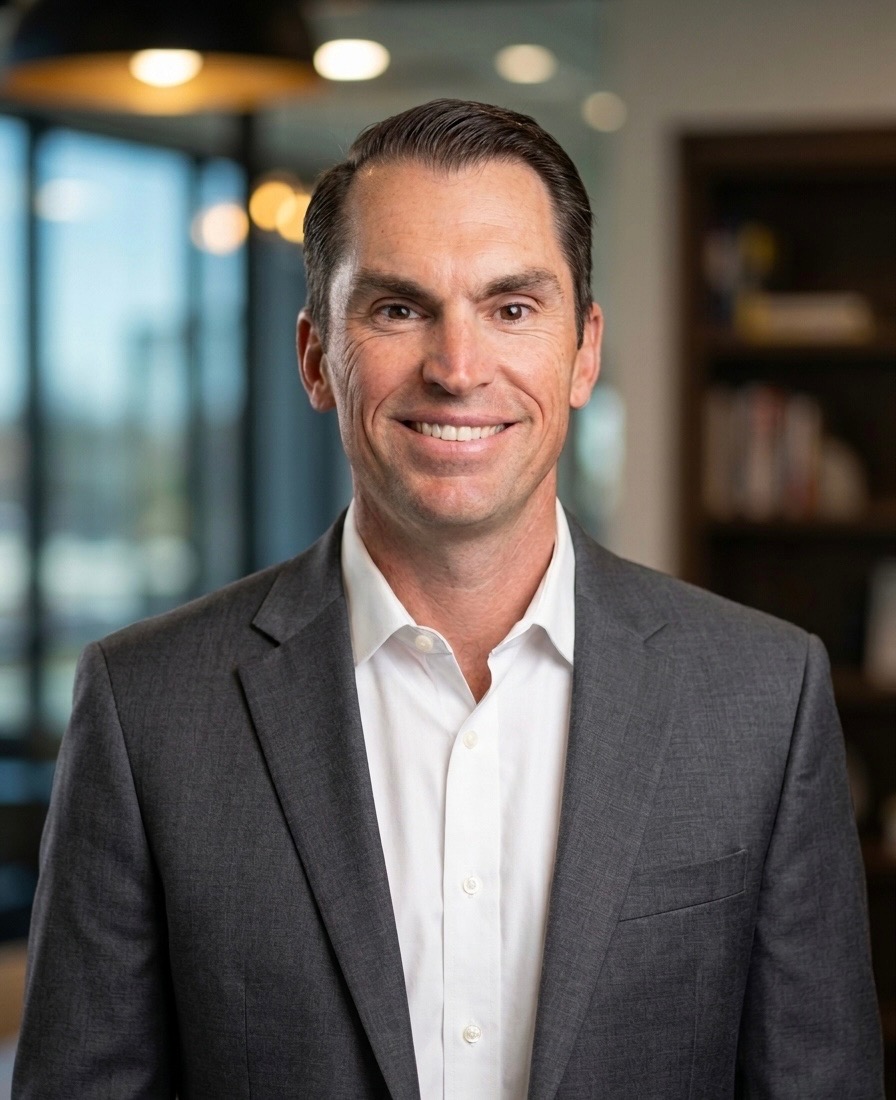
Chris DeCarolis
Senior Commercial Insurance Advisor
Chris DeCarolis is a Senior Commercial Insurance Advisor at Coverage Axis. His experience in commercial risk placement started in 2007. He has helped contractors, trades, and specialty businesses build coverage programs that fit their operations — specializing in general liability, workers comp, commercial auto, and umbrella programs for high-risk industries. Chris holds a Florida 220 General Lines license (G038859) and is a graduate of Brown University.
COMMON QUESTIONS
Frequently Asked Questions
Per-endorsement: $0-$250. Blanket AI endorsement (covers all contracts): typically free to $500/year. The blanket option is usually more economical for Private Investigators with multiple concurrent contracts.
It means the private investigator's policy responds first and pays without contribution from the contracting party's own insurance. Most large contracts require it; the language usually appears in the AI endorsement.
These platforms automatically verify Product Liability coverage against customer requirements. Non-compliance flags block scheduling. COI management software that integrates with these platforms reduces friction.
Most contracts require 2-5 years of post-completion coverage. Standard policy renewals don't automatically extend that; a deliberate plan (continuous policy, tail coverage, or extended reporting) is needed.
Legal requirements come from statutes and regulations; non-compliance produces government penalties. Contractual requirements come from private agreements; non-compliance produces contract termination or breach claims.
GET STARTED
Get a Free Insurance Review
Tell us about your business and a licensed advisor will recommend the right coverage.
Get My Free Review →GET STARTED
Tell Us About Your Business
Fill out the form below and a licensed advisor will review your situation and recommend the right coverage — no obligation.