
Excess Workers Compensation Eligibility for High-Risk Restaurants
How Restaurants get Excess Workers Compensation when claim history, new-venture status, or operational profile closes standard-market doors — specialty markets, surplus lines, Lloyd's syndicates, captive structures, and the path back to standard pricing.
Get a Free Quote →QUICK ANSWER
Yes, Restaurants with claim history, new ventures, or operational concerns can get Excess Workers Compensation — typically through specialty rather than standard markets. Premium runs 1.5-3x standard rates with longer placement timelines (7-14 days). Return to standard markets typically takes 2-4 renewal cycles as claims roll out of the experience-mod window and operational improvements compound.
When Restaurants claim history closes standard-market doors on Excess Workers Compensation
For Restaurants, the practical impact of a paid claim on Excess Workers Compensation eligibility unfolds in stages. The first paid claim usually keeps the account in standard markets, but at debit pricing. The second paid claim typically pushes the account to specialty. Severity events ($100K+) often push to specialty after just one occurrence.
Time is the recovery mechanism. Claims roll out of the experience modifier window at 3 years; the standard market becomes accessible again after the third anniversary, provided no new claims have occurred in the interim.
The E&S market for Restaurants Excess Workers Compensation
Surplus lines (also called Excess & Surplus, or E&S) markets write Excess Workers Compensation for risks standard carriers decline. The market exists specifically to fill the gap left by standard appetite. Carriers in this market have more underwriting flexibility, can charge actuarially required rates, and can include broader exclusion lists.
For Restaurants, accessing surplus markets requires a broker with E&S appointments. Not all brokers can place E&S business; the placement requires specific licensing and carrier relationships. Coverage Axis maintains active E&S relationships across all major specialty markets.
Specialty programs for Restaurants on Excess Workers Compensation
For Restaurants with unusual exposures or specific operational profiles, specialty programs often outperform generalist placements. The program underwriters know the segment, have priced it accurately, and can offer broader coverage tailored to the segment's needs.
Specialty programs also tend to be stable through hard markets. When generalist carriers pull back during hardening cycles, specialty programs often continue writing the segment at reasonable rates. The program's commitment to the niche cushions the cycle effects.
Premium implications for substandard Restaurants on Excess Workers Compensation
High-risk Restaurants typically pay 1.5-3x standard pricing for Excess Workers Compensation, depending on the specific risk factors. Mild substandard accounts (one claim, otherwise clean) might pay 1.2-1.5x standard; severe substandard accounts (multiple claims or severity events) can pay 2.5-4x standard or face declines from all but the highest-risk markets.
The premium load isn't arbitrary — it reflects the carrier's real loss expectations on the account. Paying 2x standard for a 2x expected loss profile is fair pricing for the risk; trying to pay 1x standard for a 2x risk usually means going uninsured.
The path back to standard-market Excess Workers Compensation for Restaurants
The transition back to standard markets isn't automatic — it requires deliberate timing. Re-shopping standard markets too early produces declines that anchor the broker's perception of the account; re-shopping too late wastes time in unnecessarily expensive specialty markets.
The broker's judgment on timing matters. Brokers who know the retail or hospitality market can predict when standard appetite is likely to accept a returning account. Coordinated re-shopping at the right moment produces the cleanest transition.
Lloyd's and alternative markets for Restaurants Excess Workers Compensation
For Restaurants that can't place in domestic specialty markets, alternatives include Lloyd's of London syndicates, Bermuda markets, captive structures, and self-insurance programs. Each requires specific broker expertise and additional placement complexity.
Lloyd's markets are commonly used for unusual exposures, high limits, or specialty operations. Bermuda markets typically appear in larger placements ($25M+ premium). Captives work for stable, claim-managed operations with adequate financial capacity. Self-insurance is appropriate for very large Restaurants with sophisticated risk management.
Best practices for high-risk Restaurants on Excess Workers Compensation
Restaurants that thrive in substandard markets treat the placement as temporary. The goal isn't to optimize the substandard relationship; it's to manage operations so well that standard markets become accessible again as soon as possible.
The discipline that produces return: detailed operational documentation, thorough claim management, financial strength building, and patient re-shopping at the right moments. Restaurants that follow this approach typically return to standard markets in 2-3 renewal cycles; Restaurants that don't can spend many years in expensive substandard placements.
Get a Free Insurance Quote
50+ carriers. One advisor. One recommendation built around your business — no obligation.
Get My Free Review →DEEP-DIVE GUIDES
Detailed coverage guides
Drill deeper on the specific aspects of this coverage that matter to your business.
Cost & Pricing
Need & Requirements
Coverage Detail
Claims
How to Get Coverage
Looking for the full picture? See Excess Workers Compensation for Restaurants.
WHY COVERAGE AXIS
Why Coverage Axis
Insurance Carriers
Access to a broad network of A-rated carriers competing for your business — your advisor handles the rest.
COI Turnaround
Certificates and additional insured endorsements delivered the same day you need them.
Years of Experience
Our advisors specialize in commercial insurance — we understand your industry inside and out.
Cost to You
Getting a quote is always free. No hidden fees, no obligation — just straightforward coverage advice.
YOUR ADVISOR
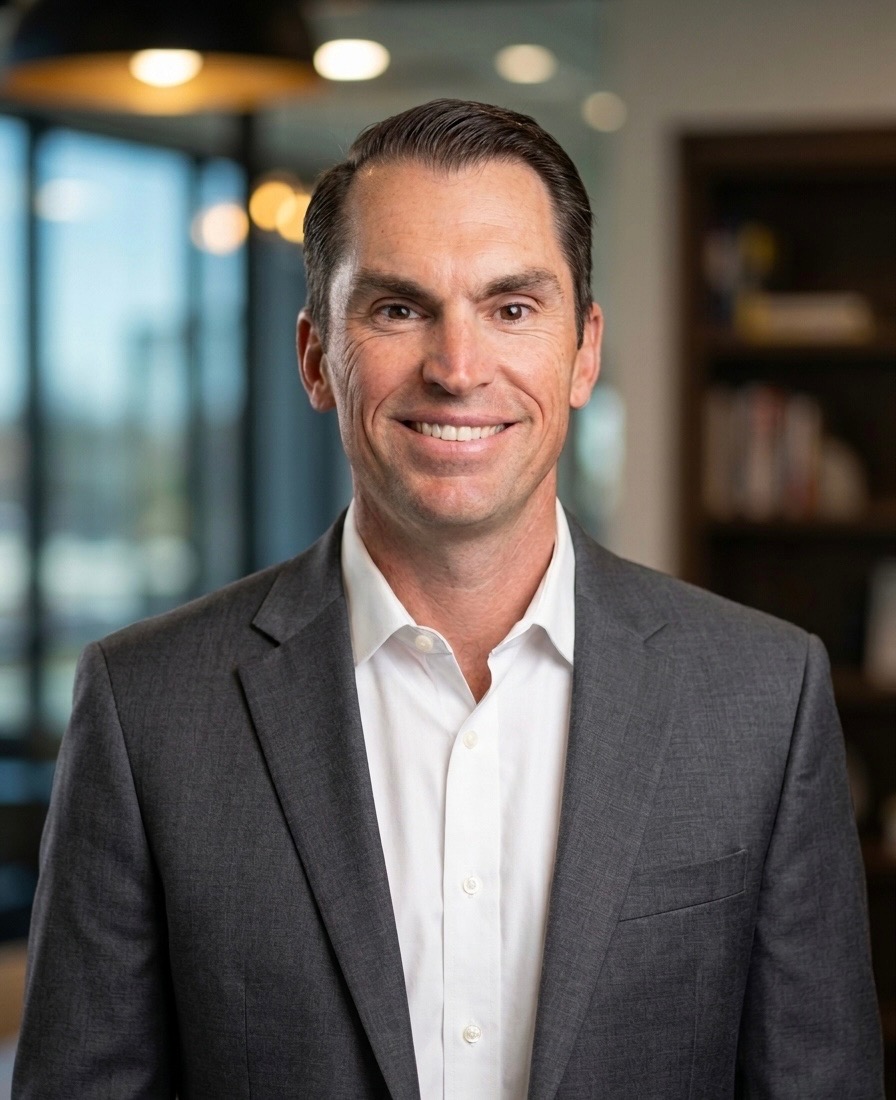
Chris DeCarolis
Senior Commercial Insurance Advisor
Chris DeCarolis is a Senior Commercial Insurance Advisor at Coverage Axis. His experience in commercial risk placement started in 2007. He has helped contractors, trades, and specialty businesses build coverage programs that fit their operations — specializing in general liability, workers comp, commercial auto, and umbrella programs for high-risk industries. Chris holds a Florida 220 General Lines license (G038859) and is a graduate of Brown University.
COMMON QUESTIONS
Frequently Asked Questions
Carriers price to class average for new ventures with adjustments for principals' experience, business plan, and operational documentation. First-year premiums typically 25-40% above class average.
Excess & Surplus markets write risks standard carriers decline. Restaurants need it when claims history, severity events, unusual operations, or other factors close standard-market doors. Premium runs 1.5-3x standard.
Yes. Specialty programs target Restaurants segments with tailored coverage and pricing. Programs vary by sub-class within retail or hospitality; the broker matches the restaurant to the right program based on profile.
Prompt claim reporting, thorough documentation, active claim management, ongoing safety improvements, and patient re-shopping at the right moments. Each clean year accelerates the return.
Admitted = state-approved carrier; rates filed and approved; state guarantee fund applies. Non-admitted = E&S/surplus; rates not filed; more flexibility; state guarantee fund typically doesn't apply. Both can be legitimate; non-admitted requires more carrier-financial-strength due diligence.
GET STARTED
Get a Free Insurance Review
Tell us about your business and a licensed advisor will recommend the right coverage.
Get My Free Review →GET STARTED
Tell Us About Your Business
Fill out the form below and a licensed advisor will review your situation and recommend the right coverage — no obligation.