
Scaffolding Contractor Hired & Non-Owned Auto Insurance Cost
How much does Hired & Non-Owned Auto cost for Scaffolding Contractors? Premium ranges, the underwriting variables that move them, and how to land in the lower half of the range with carriers that actively want to write the high-risk construction segment.
Get a Free Quote →QUICK ANSWER
Most Scaffolding Contractors pay between $300 and $2,580 per year for Hired & Non-Owned Auto, with the median scaffolding contractor paying roughly $840/year ($70/month). Premium is rated per employee + flat hired-auto factor; the spread reflects payroll/revenue size, three-year claims history, operational profile, and state. Clean operations consistently land in the lower half of that range.
How much does Hired & Non-Owned Auto Insurance cost for Scaffolding Contractors?
Coverage Axis sees Scaffolding Contractors Hired & Non-Owned Auto premiums cluster between $25 and $215 per month — about $300–$2,580 annually for the middle 50% of accounts. The median scaffolding contractor pays close to $840/year.
Where you land inside this range depends on the underwriting variables specific to your operation. high-risk construction risks see pricing that is severity-driven, which means small changes in claim history or exposure can move premium materially in either direction.
The math behind Scaffolding Contractors Hired & Non-Owned Auto premiums
For Scaffolding Contractors, Hired & Non-Owned Auto premium is calculated per employee + flat hired-auto factor. ISO maintains the rating framework that most carriers use as a starting point, with each carrier layering on its own loss-cost multiplier and credit/debit factors.
That base rate is then adjusted by your loss history (experience modifier), state regulatory environment, and operational profile. Most carriers can move a base rate ±25% based on underwriter judgment before pricing falls outside their appetite.
Scaffolding Contractors-specific claim scenarios that drive Hired & Non-Owned Auto cost
Hired & Non-Owned Auto pricing for Scaffolding Contractors reflects real loss runs across the high-risk construction segment. The claim patterns underwriters watch for are well-documented: this is a severity-driven class, which means severity (not frequency alone) tends to be the deciding factor on renewal pricing.
For most Scaffolding Contractors, the loss-history weight on next-year premium roughly follows: zero paid claims in 3 years = standard pricing or better; one moderate claim = 20-40% load; multi-claim history = surplus market only.
Deductible math: should Scaffolding Contractors raise their Hired & Non-Owned Auto deductible?
Raising deductible is the most direct way for Scaffolding Contractors to reduce Hired & Non-Owned Auto premium without changing operations. The tradeoff: you self-insure the first dollars of every claim in exchange for a smaller annual premium.
Whether the math works depends on claim frequency. For high-risk construction risks, expected claim count is the variable to model. If your three-year history shows zero claims, raising deductible is almost always net-positive economically. If you have one or more claims, the breakeven moves and a tax-advised modeling exercise is worth doing.
How Scaffolding Contractors Hired & Non-Owned Auto premium evolves at renewal
Hired & Non-Owned Auto renewal pricing for Scaffolding Contractors typically moves 0-10% on a clean year, 10-25% on a year with one moderate claim, and 25-60%+ on a year with severe or multiple claims. Inflation in the high-risk construction segment also lifts rates 4-8% per year independent of any individual account's loss experience.
The largest single jump at renewal usually comes from a paid claim hitting the experience modifier window. Claims roll out of that window after three years, so the worst year of pricing is usually the renewal immediately following a claim — pricing improves in subsequent years if no new claims occur.
How does Scaffolding Contractors Hired & Non-Owned Auto cost compare to general construction?
The Hired & Non-Owned Auto rate gap between Scaffolding Contractors and general construction reflects different loss patterns in each class. Scaffolding Contractors produce a severity-driven loss shape, which carriers price one way; general construction produce a different shape and a different price.
For Scaffolding Contractors specifically, the unique drivers of the loss shape produce a per-unit rate that may run higher or lower than general construction depending on the carrier and the year. Over a five-year cycle, the rate differential moves but the directional ranking tends to hold.
What happens to Hired & Non-Owned Auto premium after a Scaffolding Contractors claim?
Carriers price Scaffolding Contractors Hired & Non-Owned Auto prospectively, but they do so by looking at prior claims as the best predictor of future loss experience. A paid claim within three years means a higher expected loss for the upcoming year, which directly increases the premium needed to support the risk.
Specific impacts: claim within 12 months = 40-60% load on next renewal; claim 12-24 months ago = 25-40% load; claim 24-36 months ago = 10-25% load; claim more than 36 months ago = no direct experience-mod impact, though the carrier may still note it.
Get a Free Insurance Quote
50+ carriers. One advisor. One recommendation built around your business — no obligation.
Get My Free Review →DEEP-DIVE GUIDES
Detailed coverage guides
Drill deeper on the specific aspects of this coverage that matter to your business.
Cost & Pricing
Need & Requirements
Coverage Detail
Claims
How to Get Coverage
Looking for the full picture? See Hired & Non-Owned Auto for Scaffolding Contractors.
WHY COVERAGE AXIS
Why Coverage Axis
Insurance Carriers
Access to a broad network of A-rated carriers competing for your business — your advisor handles the rest.
COI Turnaround
Certificates and additional insured endorsements delivered the same day you need them.
Years of Experience
Our advisors specialize in commercial insurance — we understand your industry inside and out.
Cost to You
Getting a quote is always free. No hidden fees, no obligation — just straightforward coverage advice.
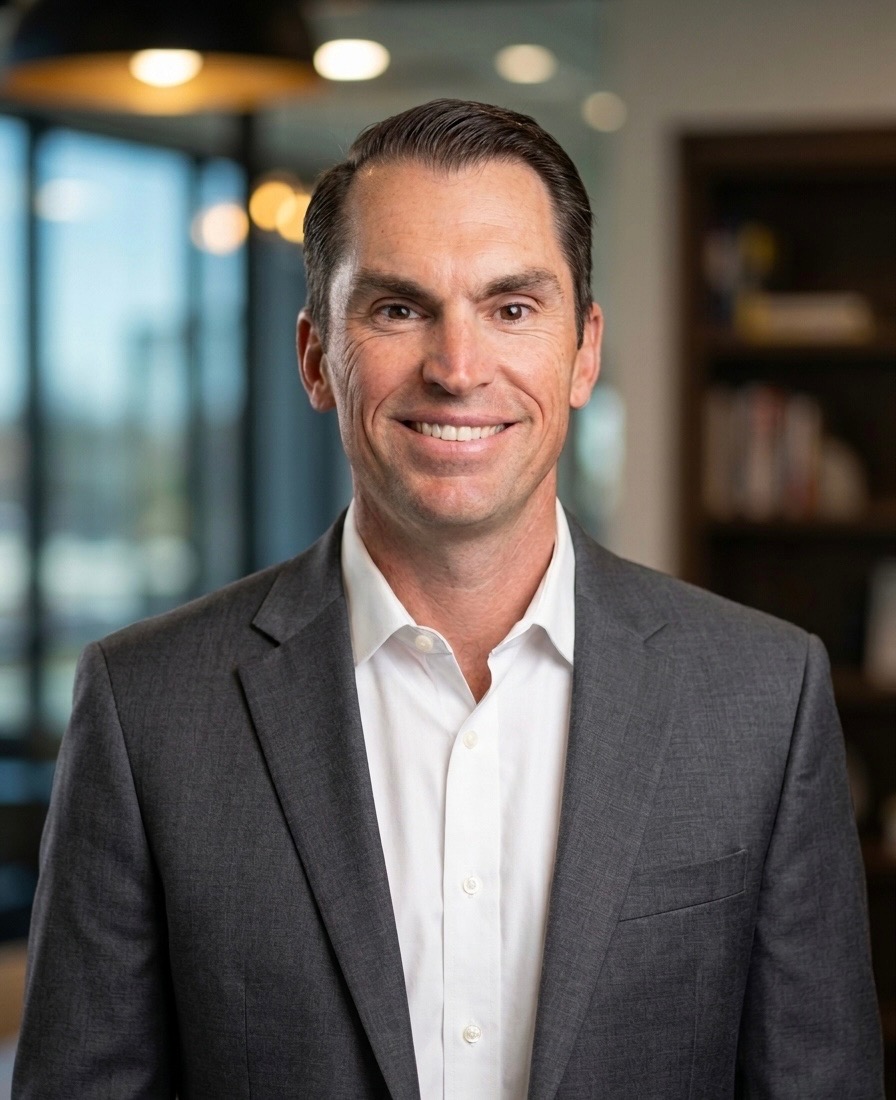
YOUR ADVISOR
Chris DeCarolis
Senior Commercial Insurance Advisor
Chris DeCarolis is a Senior Commercial Insurance Advisor at Coverage Axis. His experience in commercial risk placement started in 2007. He has helped contractors, trades, and specialty businesses build coverage programs that fit their operations — specializing in general liability, workers comp, commercial auto, and umbrella programs for high-risk industries. Chris holds a Florida 220 General Lines license (G038859) and is a graduate of Brown University.
COMMON QUESTIONS
Frequently Asked Questions
The high-risk construction segment has one of the highest completed-operations claim rates in commercial construction. Carriers price the long-tail liability accordingly — Hired & Non-Owned Auto rates for Scaffolding Contractors run 2-4x higher per unit than interior trades.
Usually. Bundling Hired & Non-Owned Auto with WC, commercial auto, and inland marine under one carrier typically captures 7-15% multi-line credit and simplifies the renewal cycle.
Without three years of loss-run history, carriers price new ventures to class average — which includes the worst operators. Expect a 20-40% new-venture load that improves over the first three renewal cycles.
The experience modifier compares your three-year paid losses to expected losses for the class. A mod above 1.0 increases premium; below 1.0 decreases it. Mods are public and shared between WC carriers; some other lines use similar mechanisms.
For most Scaffolding Contractors, shop every 2-3 years. Annual shopping can erode loyalty credits; staying forever can mean missing market-cycle savings. The right cadence is enough to test the market without paying for shopping overhead.
GET STARTED
Get a Free Insurance Review
Tell us about your business and a licensed advisor will recommend the right coverage.
Get My Free Review →GET STARTED
Tell Us About Your Business
Fill out the form below and a licensed advisor will review your situation and recommend the right coverage — no obligation.