
Tree Service Company Builders Risk Insurance Cost
How much does Builders Risk cost for Tree Service Companies? Premium ranges, the underwriting variables that move them, and how to land in the lower half of the range with carriers that actively want to write the outdoor service segment.
Get a Free Quote →QUICK ANSWER
Most Tree Service Companies pay between $1,140 and $7,440 per year for Builders Risk, with the median tree service company paying roughly $2,880/year ($240/month). Premium is rated per $100 of project value; the spread reflects payroll/revenue size, three-year claims history, operational profile, and state. Clean operations consistently land in the lower half of that range.
The math behind Tree Service Companies Builders Risk premiums
For Tree Service Companies, Builders Risk premium is calculated per $100 of project value. ISO maintains the rating framework that most carriers use as a starting point, with each carrier layering on its own loss-cost multiplier and credit/debit factors.
That base rate is then adjusted by your loss history (experience modifier), state regulatory environment, and operational profile. Most carriers can move a base rate ±25% based on underwriter judgment before pricing falls outside their appetite.
What pushes Builders Risk premiums up for Tree Service Companies?
If two Tree Service Companies have similar revenue but materially different Builders Risk premiums, the gap usually comes from one of these factors:
- Use of heavy equipment (stump grinders, aerial lifts)
- Property damage claim frequency
- Seasonal payroll spike during peak months
- Pesticide / chemical handling exposure
- Auto fleet size and driver MVR profile
Of those, the top driver for most Tree Service Companies is the first — carriers price the rest as adjustments around it. A clean record on the top factor tends to outweigh imperfect performance on the lower ones.
The losses Builders Risk carriers price into Tree Service Companies accounts
Claim severity in outdoor service risks is what makes Builders Risk pricing for Tree Service Companies sensitive to history. A single significant paid claim within the three-year prior period typically reprices an account meaningfully — often 30-60% on the impacted line.
That is why carriers ask for three years of loss runs at every renewal. The claim count and dollar paid amounts in those runs drive your experience modifier directly, and the modifier multiplies through the base rate to produce your final premium.
The Builders Risk limit benchmark for Tree Service Companies
The standard Builders Risk limit for Tree Service Companies is $1M per occurrence / $2M aggregate, which is the threshold most general contractors and project owners require for vendor onboarding. Larger Tree Service Companies (more employees, more scope) routinely buy $2M/$4M or layer umbrella above the base.
The per-occurrence number matters more than the aggregate for outdoor service risks where frequency-driven loss patterns dominate. A single severe claim can eat the entire per-occurrence limit; the aggregate provides headroom across multiple smaller losses in the same policy term.
Bundling strategies that reduce Tree Service Companies Builders Risk cost
Bundling Builders Risk with other commercial lines is the single largest non-operational lever Tree Service Companies can pull on premium. Most standard-market carriers offer 7-12% multi-line credits when three or more lines are placed together; some specialty programs reach 18-20%.
The flip side is broker leverage: monoline placements give the broker the option to shop each line independently every year. Bundled placements simplify renewal but slightly reduce that lever. The right answer depends on the size and stability of the account.
Information needed to quote Builders Risk on Tree Service Companies
The information underwriters need to quote Builders Risk for Tree Service Companies is consistent across carriers: who you are (legal entity, ownership, years in business), what you do (revenue split, operation types, equipment, payroll), and what your history looks like (three years of loss runs and any open claims).
Submitting the package in one batch — rather than piecemeal — produces faster, sharper quotes. Underwriters who can underwrite a complete file in a single session price more aggressively than those who have to keep returning to a file as new information trickles in.
Where Tree Service Companies Builders Risk accounts get placed
For Tree Service Companies, Builders Risk accounts are concentrated among a handful of carriers with stated outdoor service appetite. Standard-market players include the major construction-and-trade specialists; surplus-lines markets pick up the accounts those standard carriers decline.
Coverage Axis maintains an active appetite map across 50+ carriers and routinely shops Tree Service Companies Builders Risk risks to the three or four carriers most likely to compete on the specific operational profile. That focused approach typically produces faster turnaround and better pricing than blanket-shopping.
Get a Free Insurance Quote
50+ carriers. One advisor. One recommendation built around your business — no obligation.
Get My Free Review →DEEP-DIVE GUIDES
Detailed coverage guides
Drill deeper on the specific aspects of this coverage that matter to your business.
Cost & Pricing
Need & Requirements
Coverage Detail
Claims
How to Get Coverage
Looking for the full picture? See Builders Risk for Tree Service Companies.
WHY COVERAGE AXIS
Why Coverage Axis
Insurance Carriers
Access to a broad network of A-rated carriers competing for your business — your advisor handles the rest.
COI Turnaround
Certificates and additional insured endorsements delivered the same day you need them.
Years of Experience
Our advisors specialize in commercial insurance — we understand your industry inside and out.
Cost to You
Getting a quote is always free. No hidden fees, no obligation — just straightforward coverage advice.
YOUR ADVISOR
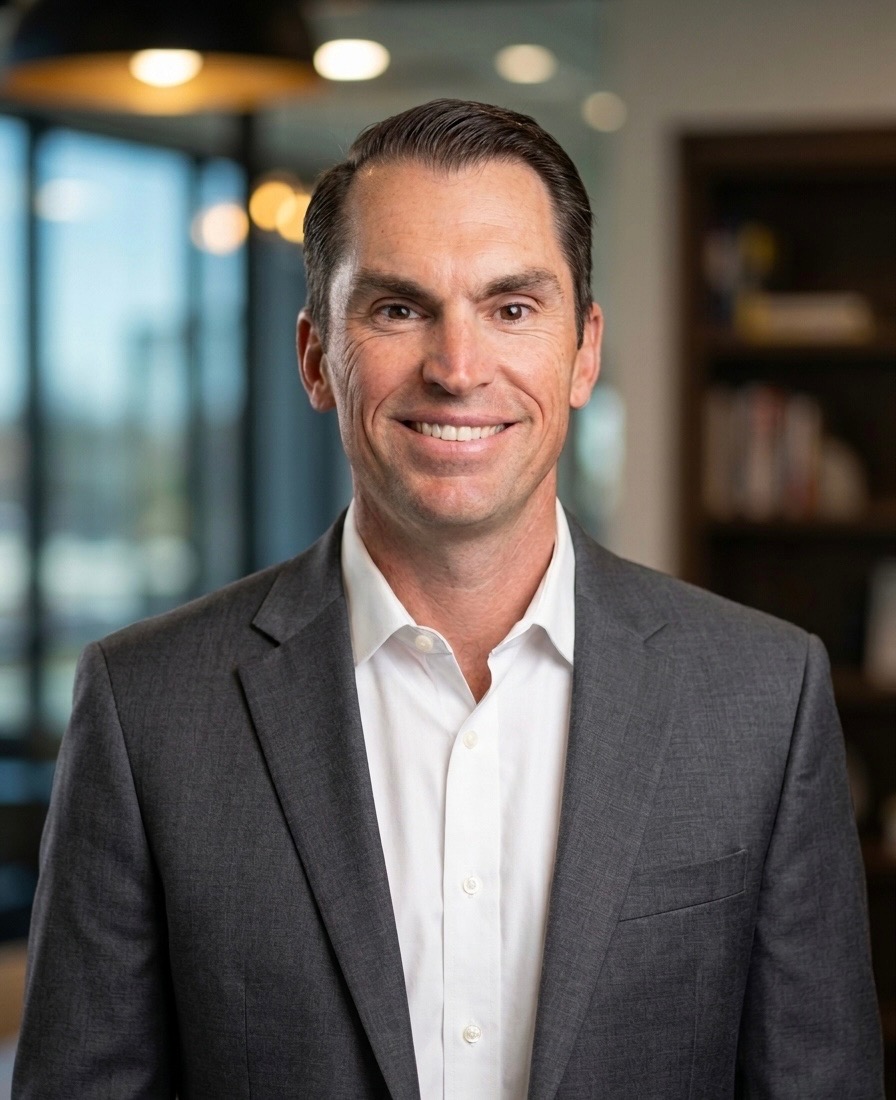
Chris DeCarolis
Senior Commercial Insurance Advisor
Chris DeCarolis is a Senior Commercial Insurance Advisor at Coverage Axis. His experience in commercial risk placement started in 2007. He has helped contractors, trades, and specialty businesses build coverage programs that fit their operations — specializing in general liability, workers comp, commercial auto, and umbrella programs for high-risk industries. Chris holds a Florida 220 General Lines license (G038859) and is a graduate of Brown University.
COMMON QUESTIONS
Frequently Asked Questions
Seasonal payroll spikes (peak landscaping season, snow season, etc.) affect WC-related rating. Carriers may use either declared or audited payroll, and the audit can produce return premium or additional premium after policy expiration.
ACORD 125, auto-related ACORDs where applicable, three years of loss runs, payroll detail, and a vehicle schedule with driver list and MVRs.
$1K-$2.5K is standard. Operations with stable claims experience can move to $5K and save 8-12%; going higher requires reserve documentation.
Without 3-year loss history, carriers price to class average. New-venture loading is typically 20-35%, unwinding across the first three renewal cycles.
Yes. States with heavy seasonal operations and tort-favorable climates price higher. Differential is typically 20-40% between cheapest and most expensive states.
GET STARTED
Get a Free Insurance Review
Tell us about your business and a licensed advisor will recommend the right coverage.
Get My Free Review →GET STARTED
Tell Us About Your Business
Fill out the form below and a licensed advisor will review your situation and recommend the right coverage — no obligation.