
Most Common Contractors Tools & Equipment Claims by Tunneling Contractors
The Contractors Tools & Equipment claim picture for Tunneling Contractors — frequent vs severe claim patterns, cost per claim, root causes, completed-operations exposure, and the strategies that produce measurable claim reduction over time.
Get a Free Quote →QUICK ANSWER
Tunneling Contractors Contractors Tools & Equipment claim experience reflects the severity-driven loss patterns of high-risk construction. A handful of recurring claim types account for 70-85% of claim count; severity claims account for most paid dollars. Typical per-claim costs: $1K-$15K (low), $15K-$100K (mid), $100K-$1M+ (high/rare). Strong risk management can reduce claim frequency 30-50% over 2-3 renewal cycles.
The everyday Contractors Tools & Equipment claim picture for Tunneling Contractors
Tunneling Contractors Contractors Tools & Equipment accounts typically see 1-3 frequency claims per million dollars of revenue per year, depending on the specific operations and risk management practices. The claim types are predictable — the operational events that occur frequently enough to produce losses regularly.
Improvement on frequency claims is achievable. Documented operational practices (training, equipment maintenance, customer communication) reduce frequency by 20-40% in well-run operations, which translates directly into experience-modifier improvements.
What the average Contractors Tools & Equipment claim actually costs for Tunneling Contractors
The average paid amount per Contractors Tools & Equipment claim varies dramatically by claim type and severity tier. For Tunneling Contractors, the typical distribution is roughly:
- Low-severity claims (most common): $1K-$15K paid
- Mid-severity claims: $15K-$100K paid
- High-severity claims (rare): $100K-$1M+ paid
The mid- and high-severity bands drive most of the dollar exposure even though they represent a small fraction of claim count. This is why limits matter — frequency claims fit within most policy structures; severity claims test the limits.
What's changing in the Tunneling Contractors Contractors Tools & Equipment claim picture
The high-risk construction segment's claim picture continues to evolve. Newer claim types are emerging in some Tunneling Contractors (cyber-related claims, supply-chain claims, regulatory-action claims) while traditional claim types persist or grow.
For underwriting, this means carriers continually refresh their view of the segment. A claim type that was rare in 2020 may be price-loaded into the 2026 base rate; conversely, claim types that have receded may produce small price relief in classes where they once dominated.
The operational drivers of Tunneling Contractors Contractors Tools & Equipment claims
Tunneling Contractors Contractors Tools & Equipment claims share recurring root causes across the high-risk construction segment. The operational drivers behind most claims fall into a small set of categories: communication failures (with customers, subs, employees), procedural shortcuts under time pressure, equipment issues (maintenance, calibration, age), and personnel issues (training, fatigue, turnover).
Addressing root causes is the highest-leverage claim reduction strategy. Reducing the underlying drivers reduces claims across multiple categories simultaneously, which compounds the loss-experience improvement.
The most expensive Contractors Tools & Equipment claim types for Tunneling Contractors
Tunneling Contractors that have been in business several years usually have a recognizable pattern in their prior claims. The same 2-4 categories appear most often and account for most of the paid dollars. That pattern is the strategic focus for risk management.
Aligning investment with the actual claim pattern — rather than spreading effort across all possible claim types — produces better loss ratios over multi-year periods. The Tunneling Contractors who do this consistently land in the lower-cost portion of the class.
The long-tail claim risk for Tunneling Contractors on Contractors Tools & Equipment
Completed-operations claims — losses surfacing after the tunneling contractor has finished the work — are a significant exposure on Tunneling Contractors Contractors Tools & Equipment. For some high-risk construction subclasses, completed-ops claims drive more total paid dollars than during-operations claims, even though they represent a smaller fraction of total claim count.
The defining feature: completed-ops claims can surface years after the underlying work. A policy with strong during-operations coverage may have weak or absent completed-ops coverage; the operational claim count looks fine while the long-tail exposure remains uninsured.
Comparing Tunneling Contractors loss experience to peers
Comparing your Tunneling Contractors loss experience to high-risk construction peers shows where you sit in the class. Some Tunneling Contractors consistently perform 20-30% better than class average; others struggle to reach average. The performance gap usually reflects operational discipline and risk-management investment rather than luck.
The benchmark is achievable. The Tunneling Contractors who consistently outperform class average follow recognizable practices — strong safety culture, documented procedures, careful contracting, and active claim management. Adopting these practices produces measurable improvements over 1-3 renewal cycles.
Get a Free Insurance Quote
50+ carriers. One advisor. One recommendation built around your business — no obligation.
Get My Free Review →DEEP-DIVE GUIDES
Detailed coverage guides
Drill deeper on the specific aspects of this coverage that matter to your business.
Cost & Pricing
Need & Requirements
Coverage Detail
How to Get Coverage
Looking for the full picture? See Contractors Tools & Equipment for Tunneling Contractors.
WHY COVERAGE AXIS
Why Coverage Axis
Insurance Carriers
Access to a broad network of A-rated carriers competing for your business — your advisor handles the rest.
COI Turnaround
Certificates and additional insured endorsements delivered the same day you need them.
Years of Experience
Our advisors specialize in commercial insurance — we understand your industry inside and out.
Cost to You
Getting a quote is always free. No hidden fees, no obligation — just straightforward coverage advice.
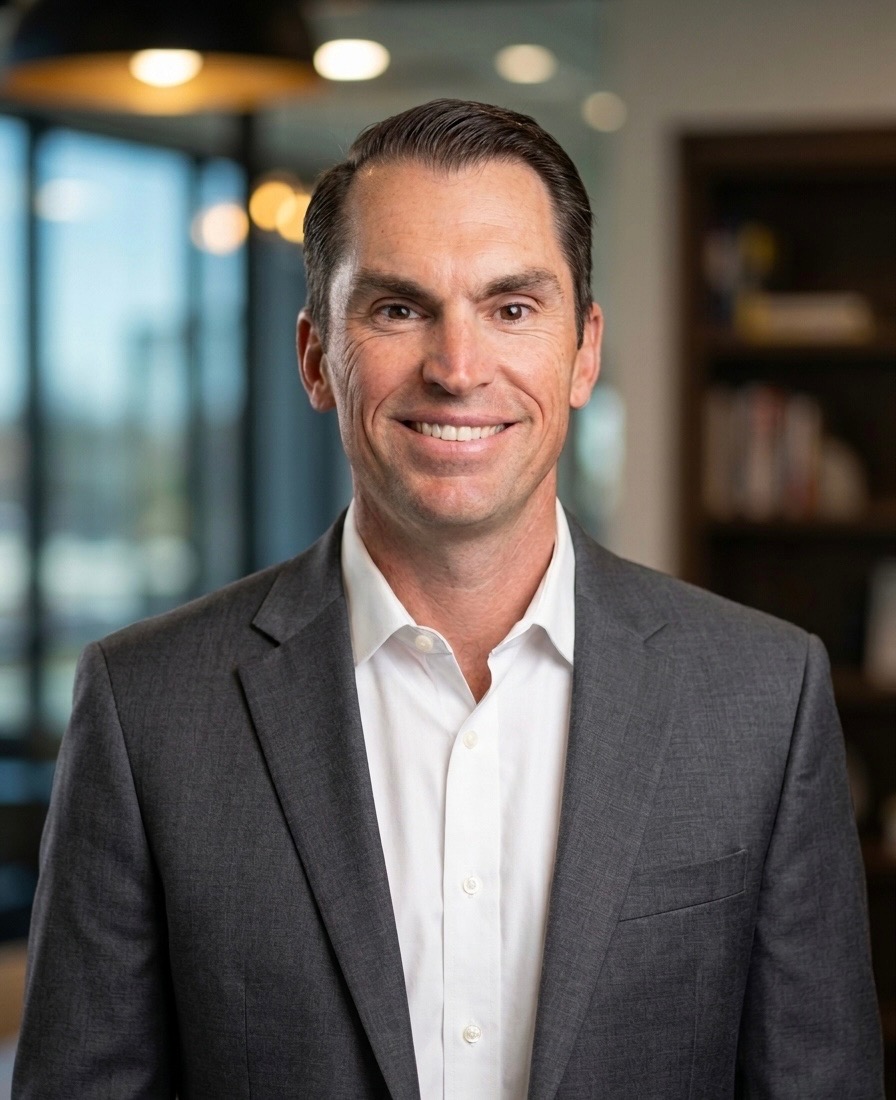
YOUR ADVISOR
Chris DeCarolis
Senior Commercial Insurance Advisor
Chris DeCarolis is a Senior Commercial Insurance Advisor at Coverage Axis. His experience in commercial risk placement started in 2007. He has helped contractors, trades, and specialty businesses build coverage programs that fit their operations — specializing in general liability, workers comp, commercial auto, and umbrella programs for high-risk industries. Chris holds a Florida 220 General Lines license (G038859) and is a graduate of Brown University.
COMMON QUESTIONS
Frequently Asked Questions
Distributed by tier: low-severity ($1K-$15K, most common), mid-severity ($15K-$100K), high-severity ($100K-$1M+, rare). Mid- and high-severity drive most dollar exposure.
Medical inflation, legal-cost growth (social inflation), and replacement-cost inflation push per-claim severity 4-7% per year. Even stable claim counts produce rising claim dollars.
Recurring root causes: communication failures, procedural shortcuts under time pressure, equipment maintenance issues, and personnel issues (training/fatigue/turnover). Root-cause analysis surfaces patterns specific to each operation.
Document everything from the start, communicate timely with the adjuster, contest questionable denials promptly, escalate within the carrier when needed, and engage coverage counsel for serious disputes.
For most Tunneling Contractors, $25K/year in safety investment producing 25% claim reduction on a $100K loss base saves $25K/year and improves modifiers permanently. ROI compounds across multiple renewal cycles.
GET STARTED
Get a Free Insurance Review
Tell us about your business and a licensed advisor will recommend the right coverage.
Get My Free Review →GET STARTED
Tell Us About Your Business
Fill out the form below and a licensed advisor will review your situation and recommend the right coverage — no obligation.