
Veterinary Clinics: Managing Workplace Falls
Managing workplace falls as a Veterinary Clinics operation: how the exposure manifests, which insurance lines respond, and the operational practices that materially reduce both frequency and severity.
Get a Free Quote →Understanding workplace falls risk for Veterinary Clinics
For Veterinary Clinics, workplace falls represents one of the most consistent risk factors carriers price into the insurance program. The professional-liability-driven loss pattern of the healthcare provider segment means workplace falls-related claims show up frequently enough to drive underwriting decisions and pricing.
Managing workplace falls starts with understanding how it manifests in Veterinary Clinics operations specifically — not the generic version of the risk, but the way the healthcare provider segment’s operational realities create the exposure. Carriers underwrite to the Veterinary Clinics-specific pattern.
How workplace falls shows up in Veterinary Clinics claim experience
The workplace falls claim experience for Veterinary Clinics reflects the professional-liability-driven loss patterns of the broader healthcare provider segment. Carriers track these patterns carefully because they’re the foundation of how the class is rated and how individual accounts are evaluated.
What changes year to year is the mix and severity. Inflation, social inflation, and segment-specific trends all affect claim costs even when frequency holds steady. The latest data from 2024-2026 shows continued cost pressure in the healthcare provider segment.
The Veterinary Clinics-specific workplace falls profile
Veterinary Clinics face workplace falls in ways that differ from broader healthcare provider peers. Operational specifics — equipment used, workforce composition, customer interaction patterns, regulatory environment — all shape how workplace falls actually manifests in Veterinary Clinics operations.
Understanding the Veterinary Clinics-specific pattern matters at renewal and at claim time. Carriers pricing Veterinary Clinics accounts look at how the operation’s workplace falls exposure compares to healthcare provider segment averages; documenting the specifics earns appropriate credits or addresses concerns proactively.
How workplace falls affects Veterinary Clinics contract negotiations
workplace falls appears in Veterinary Clinics contracts through specific clauses: indemnification language, additional-insured demands, waiver of subrogation, and minimum-limit requirements for the lines that respond to the risk. Each contract’s language affects how the veterinary clinics ultimately bears exposure when workplace falls-related events occur.
Contract review for Veterinary Clinics on workplace falls exposure should focus on: which party bears the loss, what minimum coverage is required, what endorsements are demanded, and any specific workplace falls-related contractual obligations. Misalignment between contracts and insurance creates uncovered exposure.
The workplace falls claim response for Veterinary Clinics
When workplace falls-related claims occur, Veterinary Clinics should follow a structured response: preserve evidence, notify carriers promptly (within 24-72 hours), avoid admissions of liability, gather documentation, and cooperate with adjusters. The first 24 hours after an incident materially affect claim outcomes.
For Veterinary Clinics specifically, workplace falls claims often involve coordinated response across multiple insurance lines plus possibly regulatory parties. Coverage Axis works with the carriers and claim handlers to coordinate response so the veterinary clinics doesn’t have to navigate multi-party claim handling alone.
Working with us on workplace falls exposure
Coverage Axis approaches workplace falls for Veterinary Clinics as a multi-line coordination challenge, not a single-policy problem. We structure programs that address the risk across all the relevant lines, with appropriate limits, endorsements, and carrier targeting.
For Veterinary Clinics specifically, we work with carriers that have documented appetite for the healthcare provider segment’s workplace falls profile. The right carrier choice matters as much as the right coverage structure; a carrier that doesn’t fully understand the segment will price defensively or apply unnecessary restrictions.
How Workplace Falls typically unfolds in Veterinary Clinics operations
For Veterinary Clinics operations, Workplace Falls typically arises from a recognizable set of patterns that underwriters have priced into the class over time. Three patterns dominate: an operational event during normal business activity that produces immediate physical harm or property loss; a process failure or oversight that produces delayed-discovery harm surfacing weeks or months after the underlying event; and a third-party-caused event where the Veterinary Clinics operation has secondary responsibility or contractual exposure but did not directly cause the loss. Each pattern triggers different coverage analyses and different defense strategies. Severity also varies by pattern — direct operational events tend to be moderate severity and predictable; delayed-discovery events tend to be higher severity due to compounding harm; third-party-caused events depend heavily on the underlying contract structure and indemnity allocation. The Veterinary Clinics industry's loss data over the past decade shows Workplace Falls-related claim frequency tracking with operational tempo, hiring cycles (newly-hired employees produce disproportionately more claims in their first 90-180 days), and seasonal exposure peaks specific to the niche. Carriers price the Workplace Falls exposure into base rates with surcharges for accounts whose specific exposure profile exceeds class averages.
Carrier expectations and underwriting priorities for Workplace Falls in Veterinary Clinics
Carriers writing insurance for Veterinary Clinics operations underwrite Workplace Falls exposure with specific priorities. The application process asks detailed questions about: prior claims involving Workplace Falls regardless of insurer, near-miss events that didn't produce claims but indicate exposure patterns, written procedures addressing the Workplace Falls-causing activities, training programs for staff most likely to encounter Workplace Falls situations, and any third-party assessments (loss-control surveys, safety audits, compliance reviews) that have evaluated the operation's Workplace Falls controls. Carriers offering the broadest appetite for Veterinary Clinics accounts typically require documented programs with measurable outcomes — not just a written policy that sits in a file, but evidence that the policy is implemented and audited. Loss-control credits for Workplace Falls mitigation typically range 5-20% off base premium depending on the depth of documented controls. New accounts without established loss history pay surcharges of 20-50% until they build a three-year claim-free track record. Renewal underwriting focuses on: claim activity during the policy period, any material operational changes that affect Workplace Falls exposure, and any regulatory or contractual changes that have altered the operation's Workplace Falls profile. Operations that proactively engage with carriers between renewals typically achieve better outcomes than those that only interact at renewal.
Get a Free Quote for Veterinary Clinics: Managing Workplace Falls
50+ carriers. One advisor. One recommendation built around your business — no obligation.
Get My Free Review →KEY BENEFITS
Key Benefits
Risk-management resources
In-class carriers supply loss-control consultation, training materials, and claim-prevention tools specific to Veterinary Clinics workplace falls exposure.
healthcare provider-segment carrier matching
We target carriers with documented appetite for Veterinary Clinics workplace falls exposure, producing more competitive quotes and better claim service than generic placements.
Coordinated multi-line response
Our placements structure GL, WC, property, and specialty lines to coordinate cleanly on workplace falls-related claims — no coverage disputes when incidents have mixed elements.
Claim-defense access
Carrier-supplied defense counsel and claim adjusters familiar with the healthcare provider segment's workplace falls patterns produce faster, more favorable claim outcomes.
Specialty-market access when needed
For accounts with material workplace falls-related loss history, we maintain active relationships with specialty markets that write the class at reasonable rates.
THE PROCESS
How It Works
Risk profile assessment
A Coverage Axis advisor walks through how workplace falls manifests in your specific veterinary clinics operation — what claim types are most likely, where the severity tail sits, what mitigation is already in place.
Multi-line coverage review
We review your existing GL, WC, property, and specialty coverage to identify gaps, overlaps, and opportunities to better address workplace falls exposure.
Targeted submission
For accounts changing carriers, we package the submission with documentation specifically addressing workplace falls-related underwriting concerns and credit-eligible practices.
Coverage structuring
We design the program to coordinate response on workplace falls-related claims: which carrier responds first, how limits stack, and where endorsements close gaps.
Ongoing risk management
Post-bind, we maintain account records, support claim handling when incidents occur, and conduct annual reviews to keep coverage aligned with operational reality.
PROTECTION COMPARISON
Coverage vs. No Coverage
- ✓Defense costs on workplace falls claimsCarrier pays defense costs — attorney fees, expert witnesses, court costs — on covered workplace falls-related claims, often outside the per-occurrence limit.
- ✓Contractual complianceYou can satisfy contract clauses requiring coverage for workplace falls exposure, opening access to commercial contracts and partnerships.
- ✓Reputational continuitySevere workplace falls-related events covered by insurance produce manageable financial impact and brand recovery.
- ✓Multi-line claim coordinationCarriers handle the coordination on workplace falls-related claims with mixed elements. You provide facts; carriers work out who pays what.
- ✓Risk-management infrastructureIn-class carriers supply loss-control consultation, safety resources, and claim-prevention tools tailored to Veterinary Clinics workplace falls exposure.
- ×Defense costs on workplace falls claimsYou pay defense costs directly. workplace falls-related litigation can produce $50K-$200K+ in legal fees alone before any settlement.
- ×Contractual complianceInability to demonstrate workplace falls-related coverage closes many contractual opportunities before negotiations begin.
- ×Reputational continuitySevere events uncovered by insurance can produce reputation damage that outlasts the financial loss by years.
- ×Multi-line claim coordinationYou navigate multiple carriers, claim handlers, and possibly disputes about which policy responds. Single complex claims can take years to resolve.
- ×Risk-management infrastructureYou build risk-management infrastructure entirely on your own — or skip it and absorb the resulting claim costs.
WHY COVERAGE AXIS
Why Coverage Axis
Insurance Carriers
Access to a broad network of A-rated carriers competing for your business — your advisor handles the rest.
COI Turnaround
Certificates and additional insured endorsements delivered the same day you need them.
Years of Experience
Our advisors specialize in commercial insurance — we understand your industry inside and out.
Cost to You
Getting a quote is always free. No hidden fees, no obligation — just straightforward coverage advice.
YOUR ADVISOR
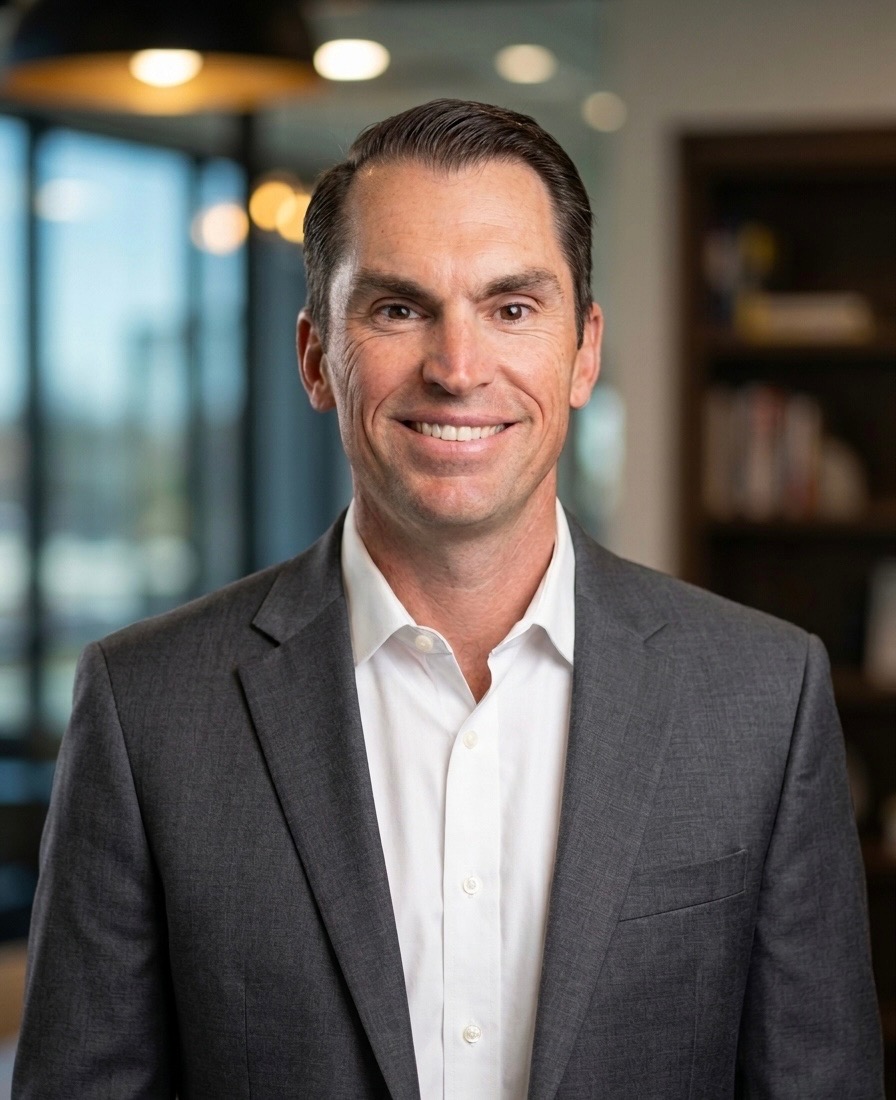
Chris DeCarolis
Senior Commercial Insurance Advisor
Chris DeCarolis is a Senior Commercial Insurance Advisor at Coverage Axis. His experience in commercial risk placement started in 2007. He has helped contractors, trades, and specialty businesses build coverage programs that fit their operations — specializing in general liability, workers comp, commercial auto, and umbrella programs for high-risk industries. Chris holds a Florida 220 General Lines license (G038859) and is a graduate of Brown University.
COMMON QUESTIONS
Frequently Asked Questions
Within 24-72 hours of awareness. Late notice can trigger late-notice defenses by carriers. Most policies require "prompt" notice — interpreted as within 24-72 hours typically.
For accounts with claim-free experience, yes. Higher deductibles trade upfront premium savings for higher claim-time costs; the math favors deductible increases when expected claim frequency is low.
Some negotiation room exists. Indemnification language, additional-insured requirements, and waiver of subrogation clauses are often standardized but can sometimes be adjusted with broker support.
Annually at renewal, plus any time the operation changes materially. Operations evolve faster than insurance programs sometimes do — the annual review catches drift before it produces uncovered exposure.
The exposure pattern follows the healthcare provider segment's professional-liability-driven loss profile. Specific manifestations depend on operational specifics — equipment, workforce, customer interactions, regulatory environment.
GET STARTED
Get a Free Veterinary Clinics Insurance Review
We coordinate coverage across all the lines that address workplace falls for Veterinary Clinics.
Get My Free Review →GET STARTED
Tell Us About Your Business
Fill out the form below and a licensed advisor will review your situation and recommend the right coverage — no obligation.