
How to Get Builders Risk Insurance for Warehouses
How Warehouses get a Builders Risk quote from start to finish — application requirements, underwriting documents, expected timeline, comparing competing quotes, and binding the coverage that wins the placement.
Get a Free Quote →QUICK ANSWER
Getting a Builders Risk quote for Warehouses requires: ACORD 125 + coverage supplemental, 3 years of loss runs, payroll/revenue exposure data, and an operations narrative. Complete submissions quote in 24-72 hours from standard carriers; specialty placements take 3-14 days. Targeting 3-5 carriers with active appetite for retail or hospitality produces the best market spread. Start 60-90 days before renewal for negotiation room.
Application requirements for Warehouses on Builders Risk
Quote applications for Warehouses Builders Risk have become reasonably standardized across the standard market. ACORD forms cover the universal data; loss runs cover the history; the operations narrative handles class-specific questions for retail or hospitality. The package typically runs 8-15 pages once fully assembled.
For new ventures, the application looks different — less history (no loss runs), more focus on the principals' background and operational plans. Specialty markets for newer operations adjust their underwriting approach accordingly.
The Warehouses Builders Risk quote turnaround
Standard quote turnaround for Warehouses Builders Risk runs 24-72 hours for clean, complete submissions in the standard market. Specialty placements (high-severity exposures, prior claims, unusual operations) typically take 3-7 business days. Surplus-lines submissions can take 7-14 days.
For Warehouses planning the renewal process, the practical timeline starts 60-90 days before the policy expiration. Submission to broker 60 days out, broker submits to carriers 45-60 days out, quotes received 30-45 days out, decision and binding 14-30 days out, policy in force at expiration.
How Warehouses bind Builders Risk coverage once a quote is selected
The Warehouses Builders Risk binding mechanic is straightforward once the quote is accepted: the carrier issues a binder confirming coverage from the bind date forward, the warehouse pays the first premium (or finances it), and the policy form is issued 7-30 days later as the formal paperwork.
The binder is the active coverage document until the formal policy issues. Warehouses should retain a copy of the binder and review the formal policy carefully when it arrives — discrepancies between binder and policy occur occasionally and need to be resolved promptly.
Underwriter inquiries on Warehouses Builders Risk submissions
Underwriters reviewing Warehouses Builders Risk submissions typically focus on the retail or hospitality-specific risk factors: payroll/revenue size and growth, three-year loss history detail, subcontractor practices (if applicable), safety program specifics, key personnel and their experience, and any contractual obligations that affect exposure.
Anticipating these questions and addressing them proactively in the submission saves the underwriting cycle 3-5 days and produces sharper pricing. The underwriter's job becomes easier when they don't have to chase information; easier underwriting tends to price more competitively.
How many Builders Risk quotes should Warehouses pursue?
Warehouses that quote with multiple carriers see the real market spread on Builders Risk. The same risk typically quotes 15-30% apart between cheapest and most expensive across 3-5 competing carriers — and the cheapest isn't always the right answer (specialty fit, claim service, and stability also matter).
A multi-carrier process produces both better pricing and better information. The pricing alone is usually worth the effort; the competitive intelligence (which carriers want the segment, at what rates) is a strategic asset for future renewals.
Common problems on Warehouses Builders Risk quotes
Common problems with Warehouses Builders Risk quotes:
- Late submission: gives the broker no negotiation room and produces deprioritized quotes
- Inconsistent exposure data: different revenue/payroll numbers in different sections of the submission
- Missing loss runs: forces underwriters to use worst-case assumptions
- Unclear operations narrative: creates underwriting suspicion and produces debits
- Last-minute coverage requests: changes to scope after quote received force re-underwriting and delay binding
Each of these is avoidable with structured submission practices. Most brokers can provide a submission checklist that prevents the common problems.
How Warehouses startups approach Builders Risk quoting
For new Warehouses, the Builders Risk quote process emphasizes future expected experience rather than past actual experience. Carriers price to class average with adjustments for the warehouse's specific risk profile and the strength of the operational setup.
The new-venture penalty unwinds over time. First-year premiums run 25-40% above class average; year two improves by 10-15% with clean experience; by year four, a clean operation should be at or below class average.
Get a Free Insurance Quote
50+ carriers. One advisor. One recommendation built around your business — no obligation.
Get My Free Review →DEEP-DIVE GUIDES
Detailed coverage guides
Drill deeper on the specific aspects of this coverage that matter to your business.
Cost & Pricing
Need & Requirements
Coverage Detail
Claims
How to Get Coverage
Looking for the full picture? See Builders Risk for Warehouses.
WHY COVERAGE AXIS
Why Coverage Axis
Insurance Carriers
Access to a broad network of A-rated carriers competing for your business — your advisor handles the rest.
COI Turnaround
Certificates and additional insured endorsements delivered the same day you need them.
Years of Experience
Our advisors specialize in commercial insurance — we understand your industry inside and out.
Cost to You
Getting a quote is always free. No hidden fees, no obligation — just straightforward coverage advice.
YOUR ADVISOR
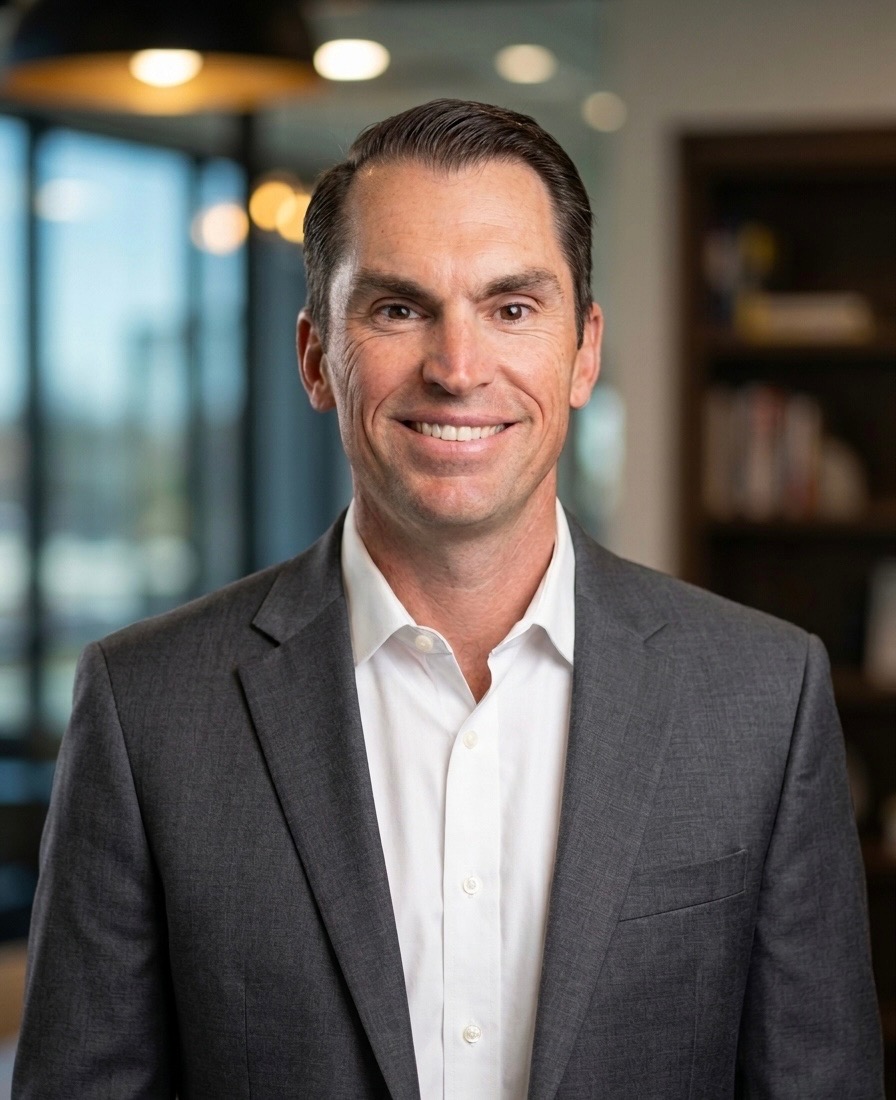
Chris DeCarolis
Senior Commercial Insurance Advisor
Chris DeCarolis is a Senior Commercial Insurance Advisor at Coverage Axis. His experience in commercial risk placement started in 2007. He has helped contractors, trades, and specialty businesses build coverage programs that fit their operations — specializing in general liability, workers comp, commercial auto, and umbrella programs for high-risk industries. Chris holds a Florida 220 General Lines license (G038859) and is a graduate of Brown University.
COMMON QUESTIONS
Frequently Asked Questions
ACORD 125 + coverage-specific supplemental, 3 years of loss runs, payroll/revenue data, operations narrative, and (for some lines) vehicle schedules or equipment lists. Complete packages quote in 24-72 hours.
Material misrepresentation can void coverage — meaning the policy was never in force from inception. Honest, accurate disclosure is essential even when it produces higher pricing.
Rarely. Carriers can backdate only with explicit permission and only in limited circumstances. The clean approach is to set the bind date based on actual timing.
Look past premium: coverage forms and triggers, limits and sublimits, exclusion lists, endorsement availability, carrier financial strength (A.M. Best A- or better), and claim-service reputation.
Incomplete or inconsistent submissions, missing loss runs, vague operations narratives, and last-minute submission. Each of these triggers underwriter caution and produces debit pricing.
GET STARTED
Get a Free Insurance Review
Tell us about your business and a licensed advisor will recommend the right coverage.
Get My Free Review →GET STARTED
Tell Us About Your Business
Fill out the form below and a licensed advisor will review your situation and recommend the right coverage — no obligation.